

This opinion piece was originally part of a prior Traxion email newsletter – sign up to receive these early, direct to your inbox, every week.
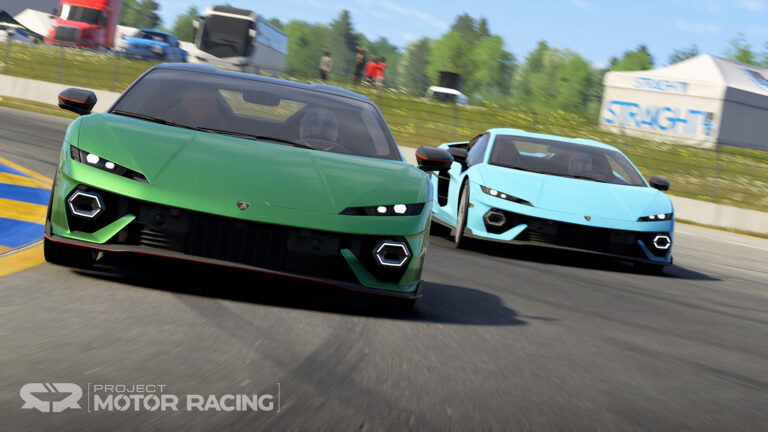
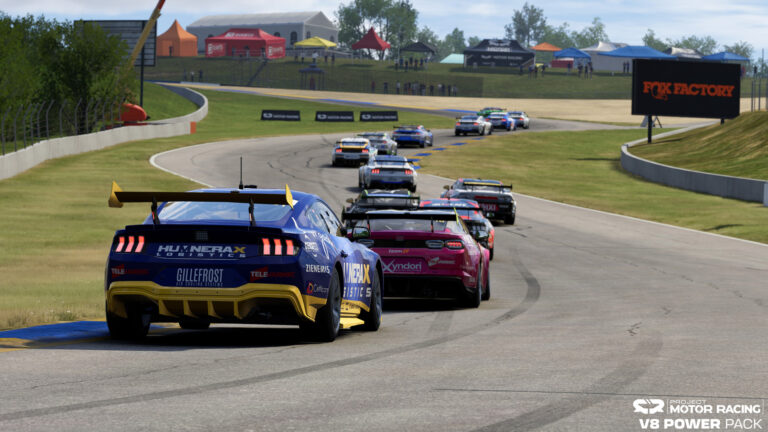
The Project CARS series of simulation-like driving games inspired a generation. It took a serious driving experience and democratised it by being both crowd-funded and released on consoles.
Developer Slightly Mad Studios hit the zeitgeist, positioning itself as more unforgiving than Gran Turismo and Forza Motorsport, but still including a single-player career and varied real-world content.
It spawned online leagues, gatherings and esports series – a dedicated Pro version even helped form entire VR simulation experience centres.
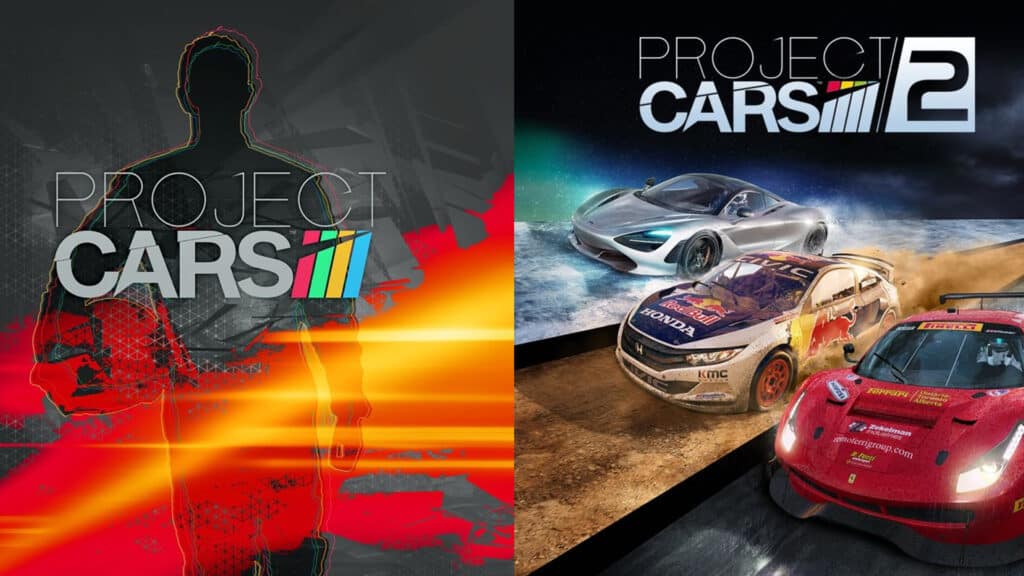
The 2017 sequel was undoubtedly the best of the breed, but perhaps focused too much on ice driving and rallycross instead of quashing some of the original’s idiosyncrasies.
All the while, enigmatic (some may say quixotic) Project CARS founder Ian Bell was building a loyal following of devotees eager to defend each move.
Project CARS 3 was the beginning of the end, however. Moving to a more accessible style of game wasn’t a cataclysmic mistake in of itself. But, the spin-off wasn’t billed as a spin-off – Bell revealed recently that one idea was to call it Project CARS Sideways, which would have been preferable in hindsight.




Discussion