RaceRoom developer KW Studios has revealed details of its biggest-ever update, including new content, VR improvements, and a major user interface overhaul.
KW Studios revealed the details during a Grid Talk vlog on RaceRoom’s YouTube channel, where KW’s Head of Studio, Jean-François Chardon, and Director of Strategy and Sales, Christian Wacker-Baur, discussed the new improvements set for release on 20th October.
Labelled the ‘Historic Update 2026’, it naturally focuses on classic cars and track content, but it’s the behind-the-scenes changes that arguably mean more for the future of the sim. RaceRoom will also be hosting a detailed presentation on its new update live on stage at the SimRacing Expo Frankfurt, with tickets still available.
https://youtu.be/D6fixqMBuKk
New cars
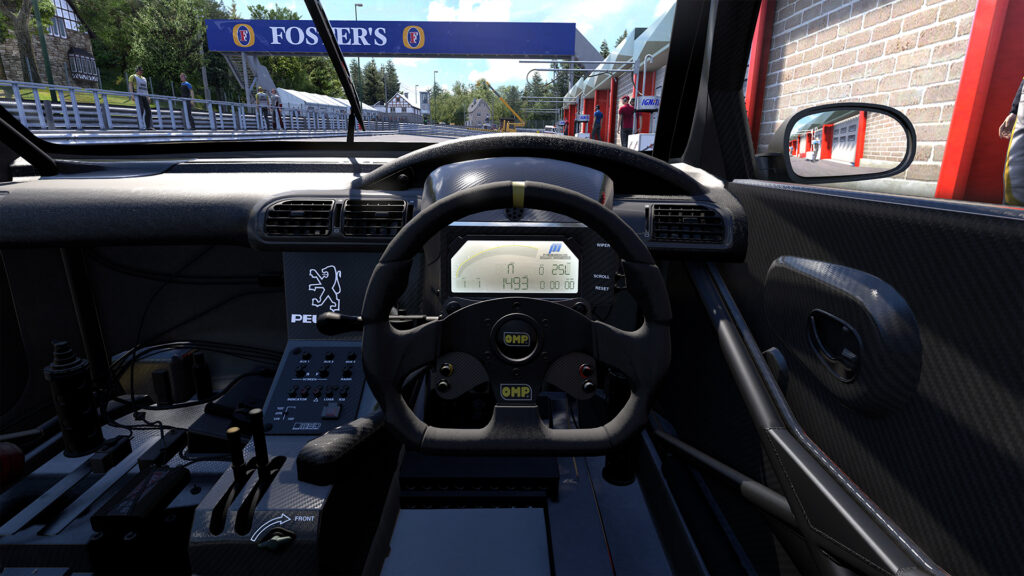
Peugeot 406 Super Touring 1998
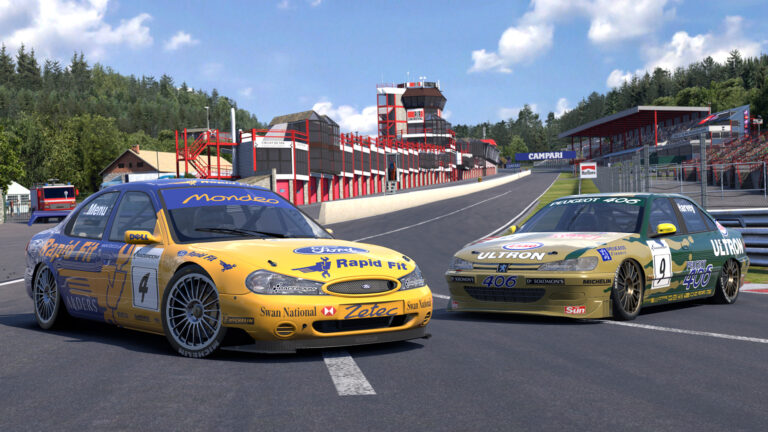
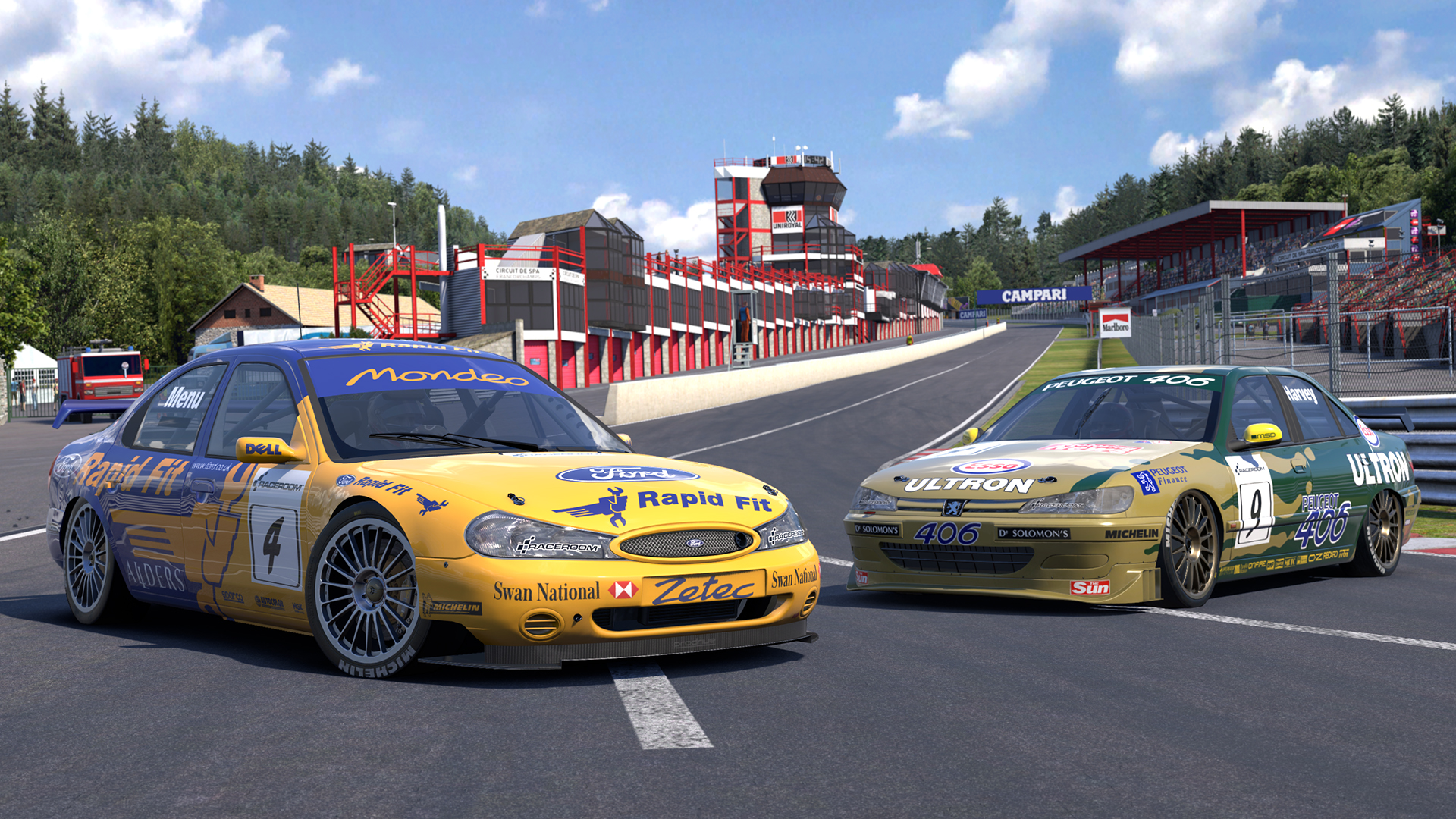
Previously previewed alongside the Ford Mondeo below, the 1998 Peugeot 406 enjoyed a mixed life in the Super Touring era.
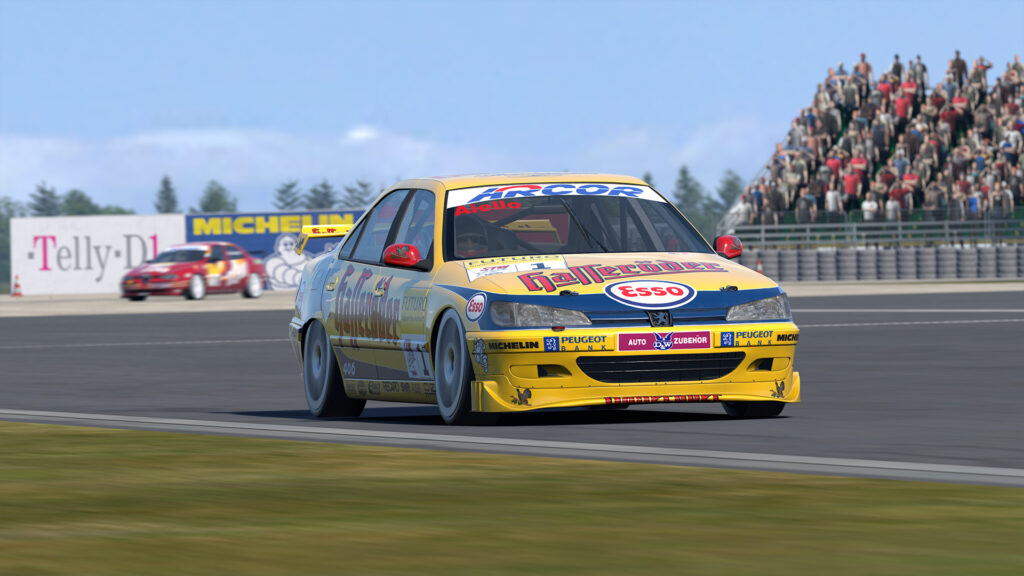
Although limited investment in the UK factory effort meant results were hard to come by in the BTCC, the 406 enjoyed tremendous success in the Germany-based STW championship, with Laurent Aïello regularly fighting at the front against the Audi, BMW and Opel juggernauts.
The Frenchman claimed the title in ‘97 and was runner-up in this, the 1998 car, with BTCC, STW, and Championnat de France de Supertourisme liveries all featured (including my personal favourite, the Esso Ultron gold-and-green paint scheme from the BTCC).
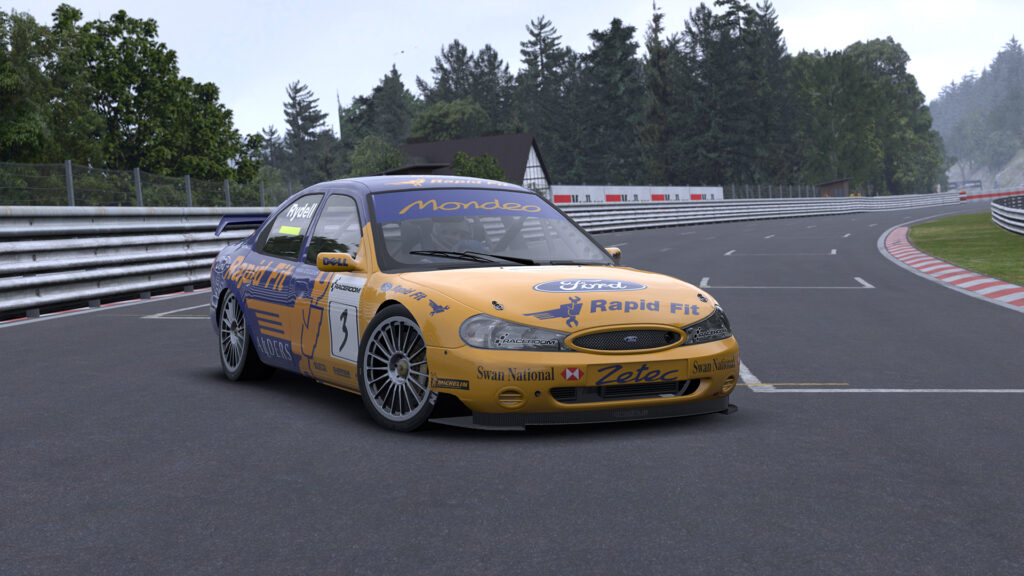
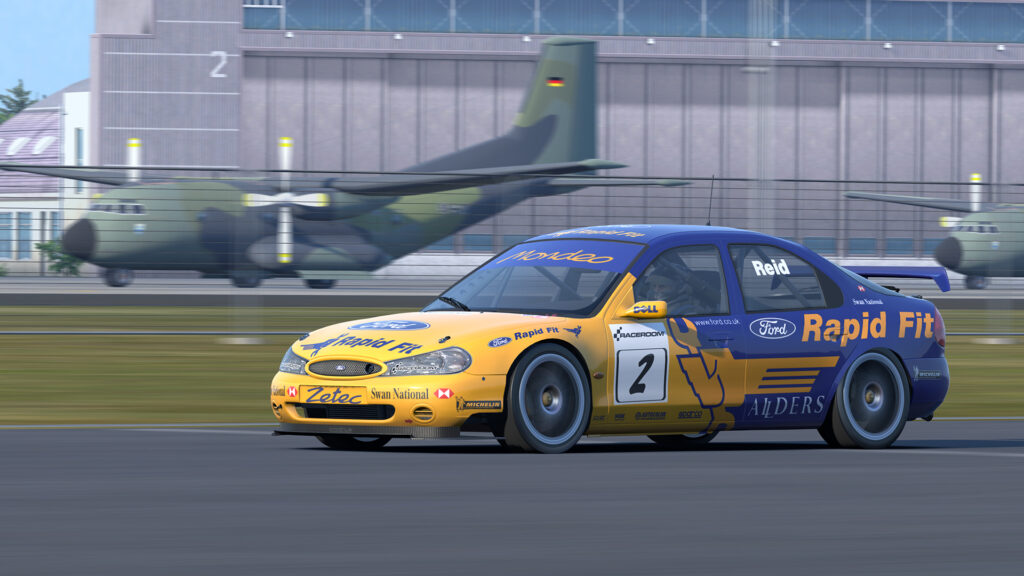
Ford Mondeo Super Touring
The 1999 Ford Mondeo was the progenitor of the ultimate Super Tourer. Developed by Prodrive, the BTCC’s super-team of Anthony Reid, Alain Menu and Rickard Rydell dominated the 2000 championship just before Super Touring imploded in the UK, with an obscene budget of around £15 million.
Reid and Menu’s ’99 car was less successful, but it still notched up a couple of podiums and a win at Knockhill. Confusingly, this ‘99 car features liveries from the 1998 and 2000 seasons, which is why we see Nigel Mansell, Will Hoy and Rydell represented. Crucially, that V6 rasp is still present and correct.
As a result of the Mondeo and 406’s inclusion, RaceRoom’s Super Touring ranks will soon expand to 10 models, including the Alfa Romeo 156, Audi A4, BMW 320i E36, Honda Accord, Renault Laguna, Volvo 850, Volvo S40, and Opel Vectra.
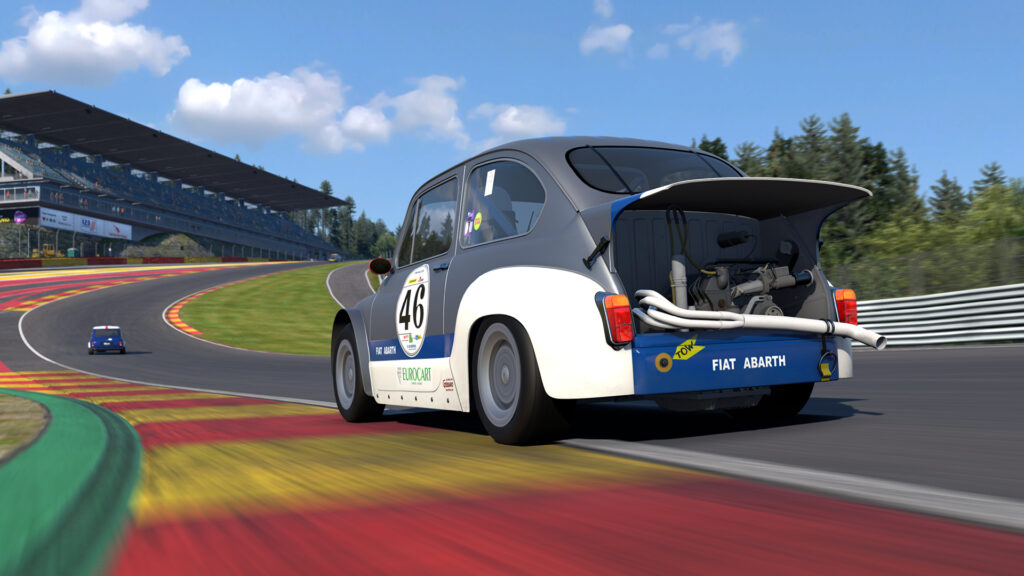
Its most distinctive characteristic isn’t its rear-engine, rear-wheel-drive layout, but is instead its permanently open engine cover. This apparently gave it ‘some’ downforce, but also helped to offset catastrophically high engine temperatures…
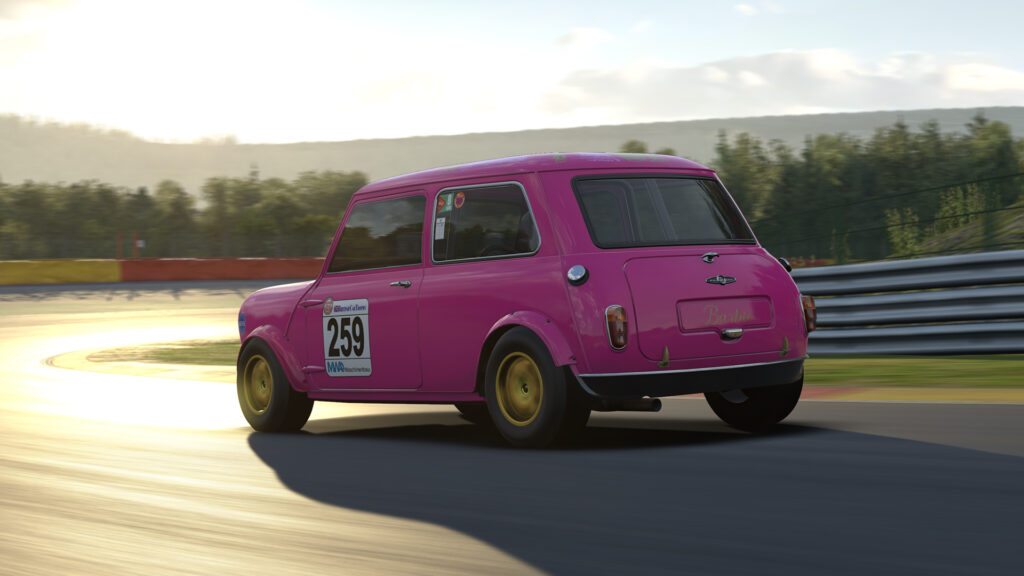
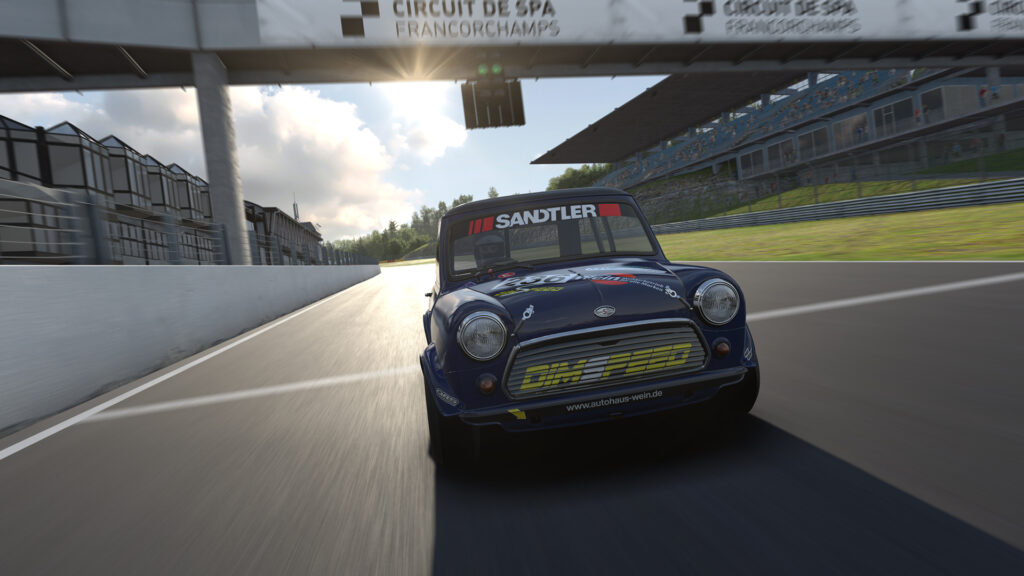
Mini Cooper S Mk3
The Mini Cooper S needs no introduction, but here we go anyway.
The Mk3 began production in 1970, and is a well-optimised example of Sir Alec Issigonis’s classic design. Featuring front-wheel-drive and a 1275cc four-cylinder engine, the little Mini regularly pinched well above its weight in international motorsport, especially in inclement weather.
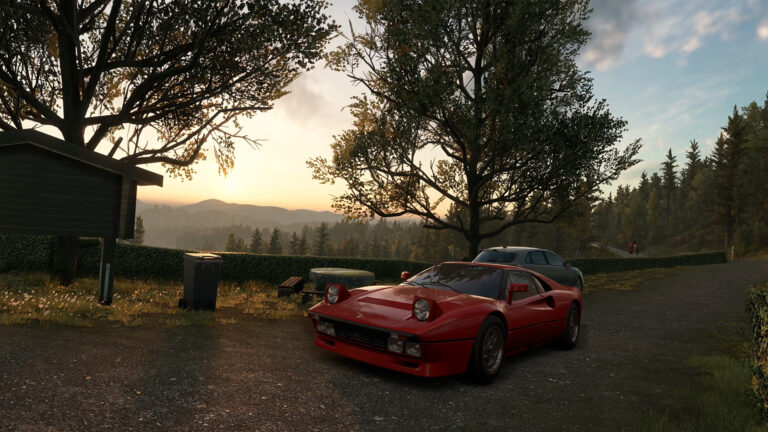
The car also joins the Group 2 class in RaceRoom.
New tracks
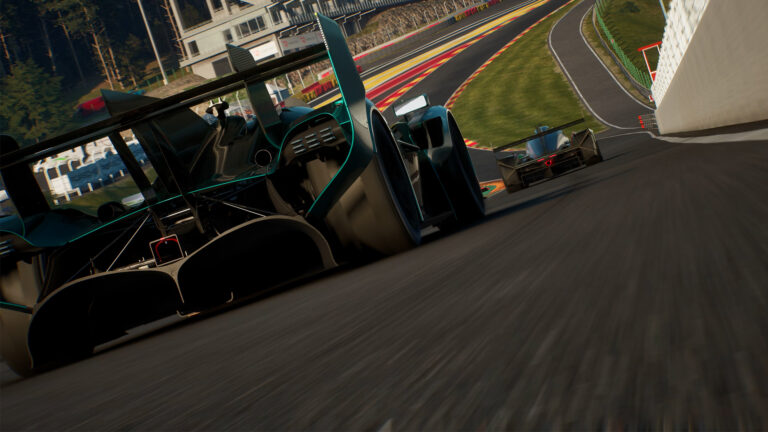
Circuit de Spa-Francorchamps 1995
The 1985 version of Spa-Francorchamps features both Grand Prix and Endurance layouts, with the latter suitable for grids of up to 99 cars.
Apart from the old ‘Bus Stop’ chicane, the historic Spa is similar to the current one, though it offers less margin for error in its comparatively small run-off areas (and features more metal Armco barriers).
Laguna Seca Historic
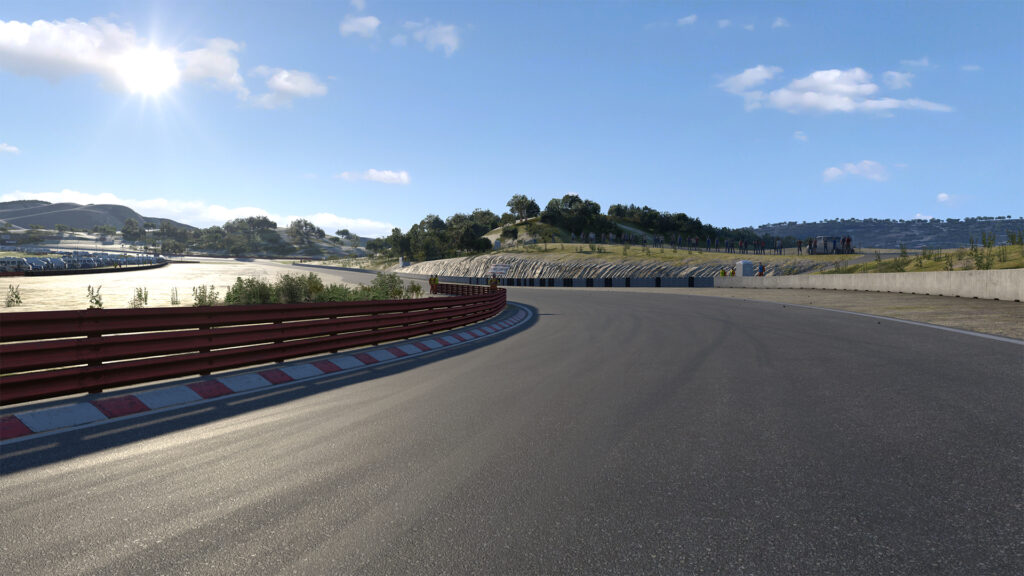
Although RaceRoom currently has the modern layout of Laguna Seca (after a brief licensing snafu), KW has also now added a historic 1980s configuration.
The older version is arguably more exciting, with a high-speed start to the lap that climbs toward the Corkscrew before following a layout familiar to modern motorsport fans.
Fliegerhorst Wunstorf
Fliegerhorst Wunstorf is a classic German airfield circuit used for DTM and STW races in the ‘80s and ‘90s.
Set at Wunstorf Air Base, the track looks, drives, and feels like RaceRoom’s incumbent Diepholz circuit, with races held there from 1964 to 1998. Bumps and kerbs are the major obstacles in an otherwise flat, featureless venue.
Glasbachrennen
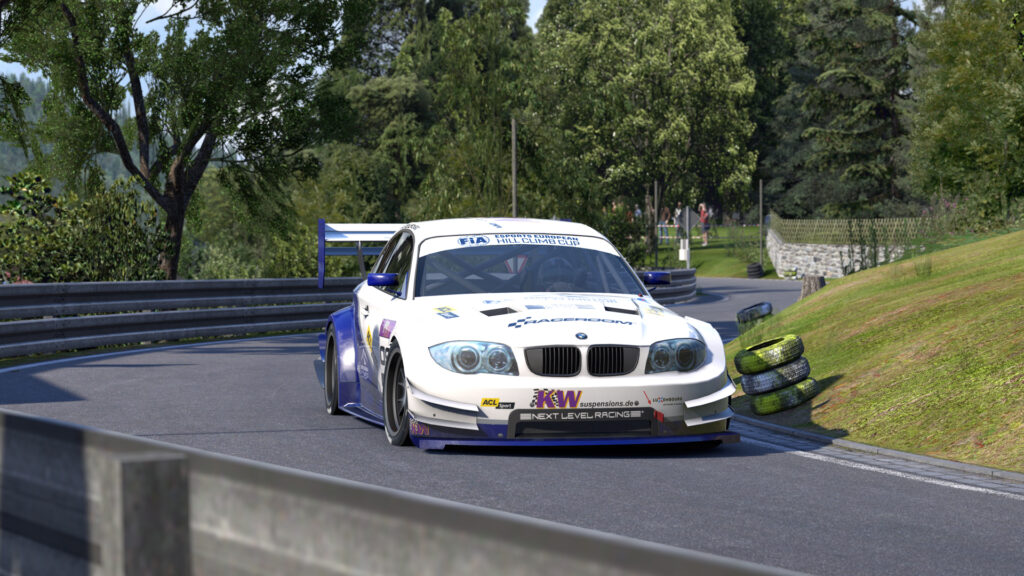
The German hillclimb track Glasbachrennen is also coming to the sim, offering players an alternative point-to-point challenge.
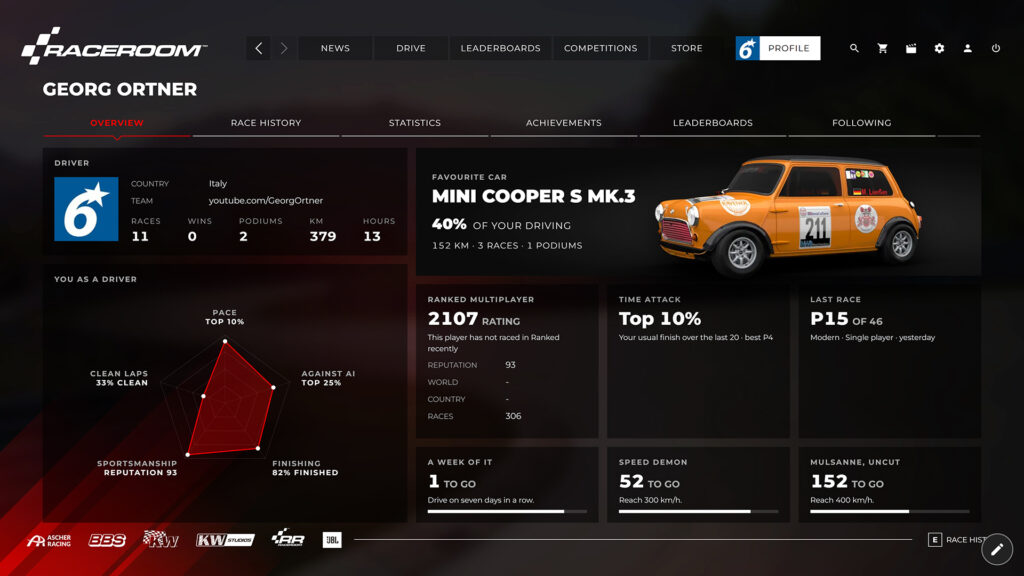
RaceRoom players will see an overhauled UI when the new update drops on 20th October, with all game menus presented in a slicker, more user-friendly fashion. The old system was frequently buggy after updates, so the new version should be far more stable in comparison. The new UI can now also be navigated with a gamepad, further improving usability.
Force feedback has been adjusted with KW rebuilding the game’s power steering system (more details below). Loading times have been reduced, with AI physics now running across multiple CPU cores. VR performance has also improved with added OpenXR support.
A new manual rolling-start procedure will go live, and detailed driver statistics will return. RaceRoom will also implement the first stage of a ‘RaceRoom Achievements’ system.
FFB, handling and physics improvements
The game’s tyre contact model has been adjusted, which will apparently produce more predictable results over kerbs and better FFB response to the player. Further backend changes have been made to ensure the game’s 400 Hz physics update rate remains consistent even with larger AI grids.
Wheelbase communication has also been simplified, using just one DirectInput effect to your steering wheel, bringing RaceRoom into line with many of its peers.
The game’s heavy gyro effect has been recalculated, too, with engine-driven hydraulic, electro-hydraulic, and fully electric power steering systems simulated. Also simulated are steering rack types, from worm gear steering box racks to modern racing systems.
A Gyro Damping Slider will be available once the update drops, a setting that exaggerates the existing gyroscopic stabilisation effect to eliminate oscillations on straights.

Discussion