Seven cancelled racing video games that could have been great
From a fourth Project CARS to a Dakar-style open-world racer that set the template for Microsoft Flight Simulator. Here are seven racing games that didn't quite make it.
A project could be shaping up to be an unmitigated disaster, or there are ownership changes, or ambition outstretches available funds, or it’s determined that it won’t recoup the creation costs.
The Jaguar CX75 supercar that could rev to 10,000 rpm. Silent Hills, Hideo Kojima and Guillermo del Toro’s horror game built upon the terrifying P.T. demo.
Cancellation happens, even to the most visionary creatives or within wealthy mega-corps.
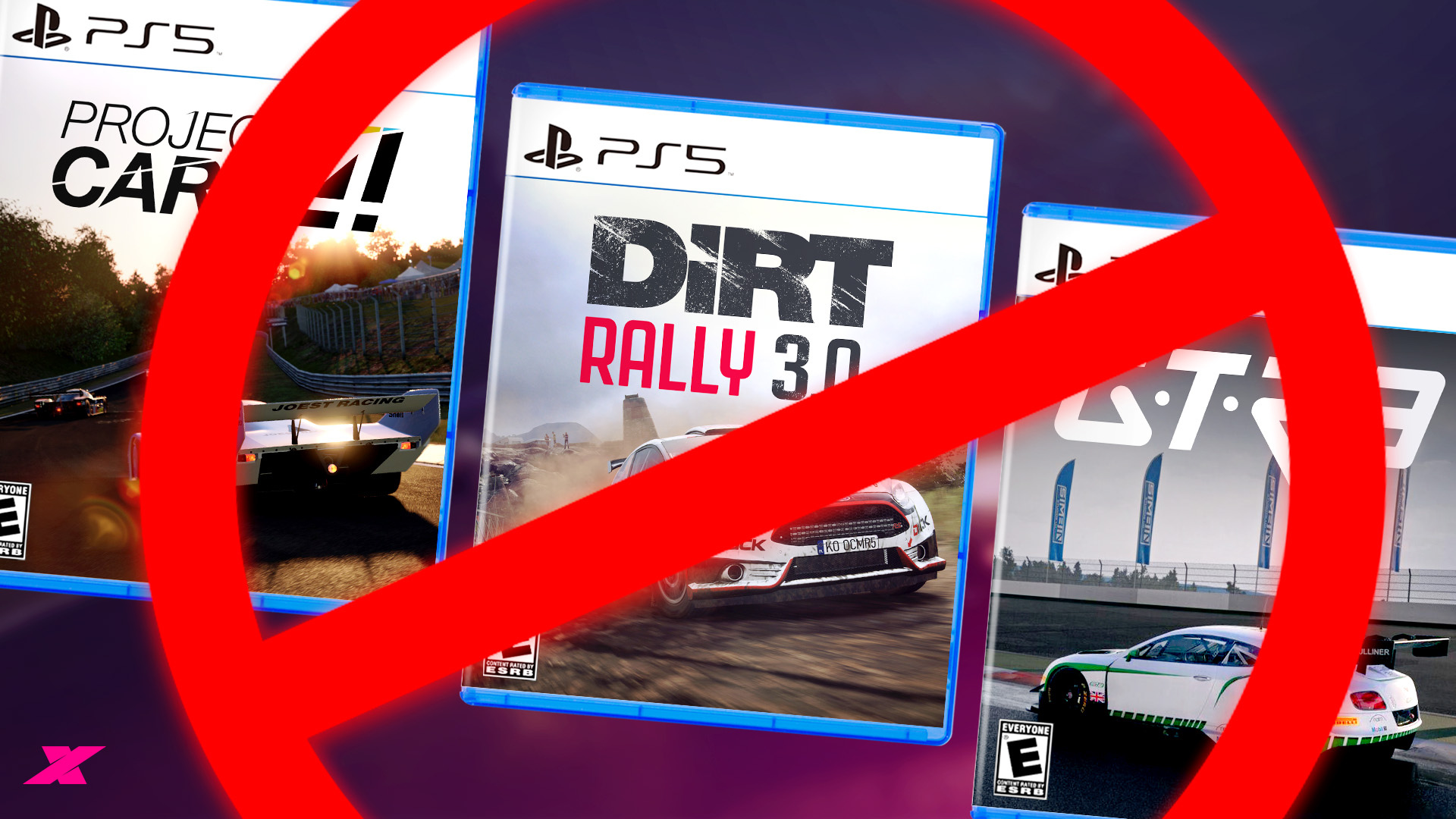
The same is true in racing video games and sim racing. So here are seven titles that never quite made it to release that could have been great. Or terrible. I guess we’ll never know…
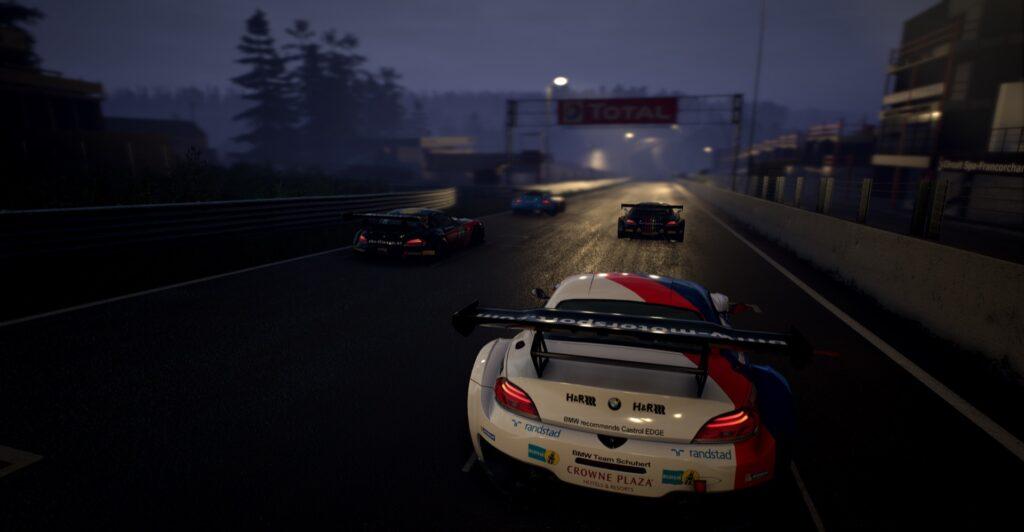
In the noughties, there were three revered PC sim racing titles – GTR, GTR2 and GT Legends. That’s two official FIA GT games and a retro-themed spin-off.
There are people still playing and modding the numbered sequel to this day, such is its lasting appeal.
Over the intervening two decades, there have been numerous attempts at reviving the series, but perhaps the most prominent was GTR3.
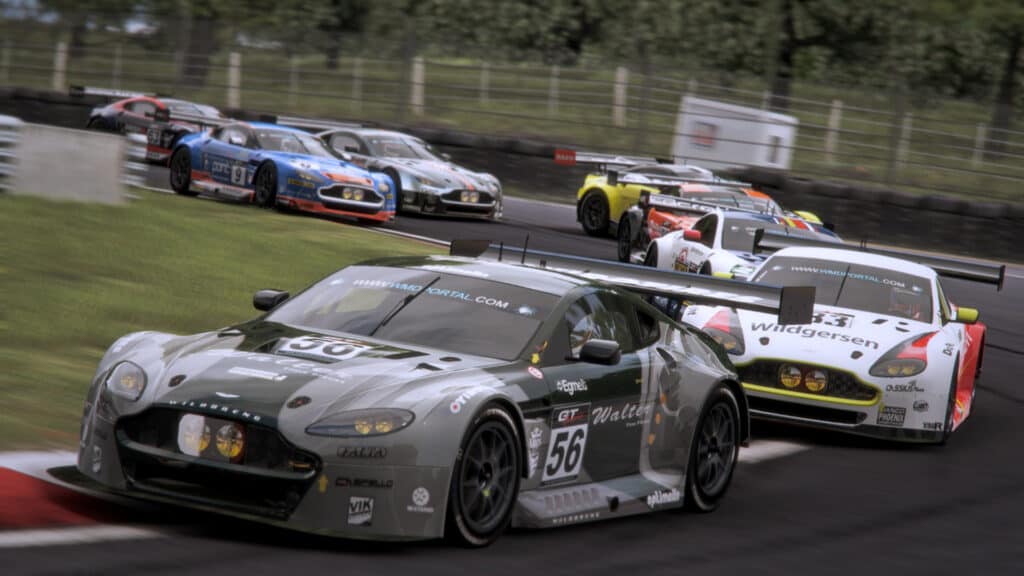
It had the name, it had the swanky website and it had the gumption to release static images that looked authentically detailed.
Sadly, it didn’t really ever exist. Not in a cohesive playable form, anyway.
There’s still a debate as to how far along it was, if at all, and we’re not going anywhere near the allegations and potential legal issues. But we can be certain it was never released and was cancelled long before completion.
This was to be created by an all-new team based in Liverpool, using Epic’s Unreal Engine platform. However, Traxion understands that the tech demo used to capture the published still images was actually created by RaceRoom developer Sector3 Studios in 2015 under the codename of ‘Crossroads’.
This starting point was then passed from that small team, these days known as KW Studios, and handed to the new outfit called Simbin UK, who, for all intents and purposes, failed to deliver.
Since then, KW has recruited an expanded team and enacted its own graphical improvements over the last two years for RaceRoom – seeing a dramatic spike in players over the last six months.
GTR3, meanwhile, will remain an oversold pipedream.
DiRT Rally 3.0
EA SPORTS WRC
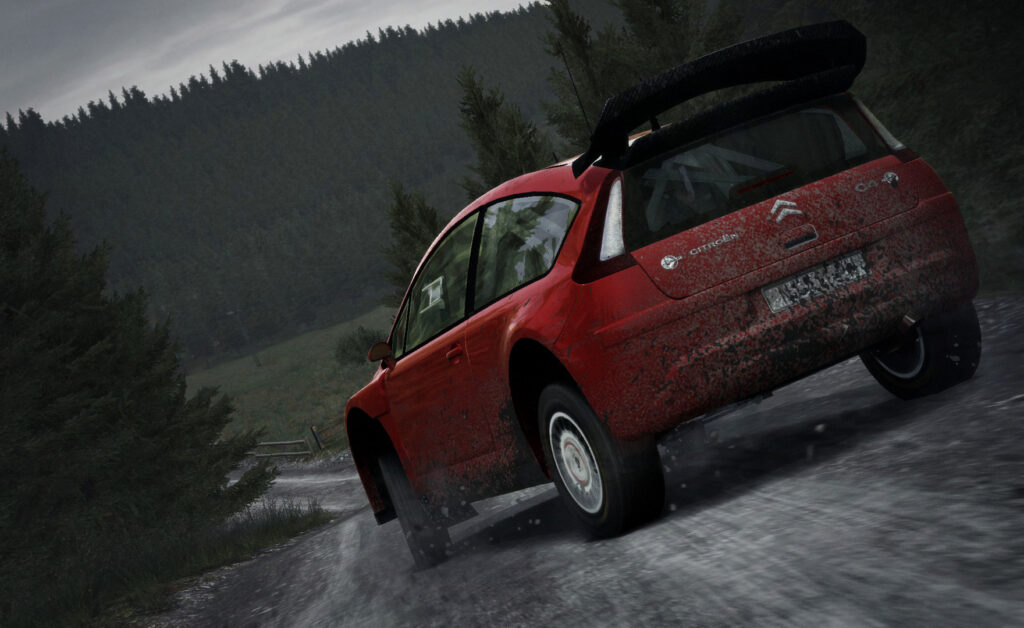
One title that didn’t have the slick screenshots and social media presence, but we believe to have existed, is DiRT Rally 3.0.
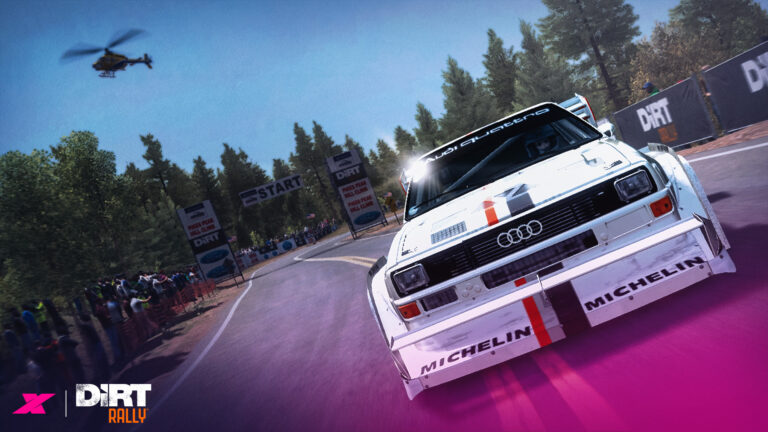
But, we believe it was also working on another sequel to its more serious, simulation-style DiRT Rally series. It would have an expanded list of historic rally cars, plus a mix of newly designed dirt, snow and asphalt stages.
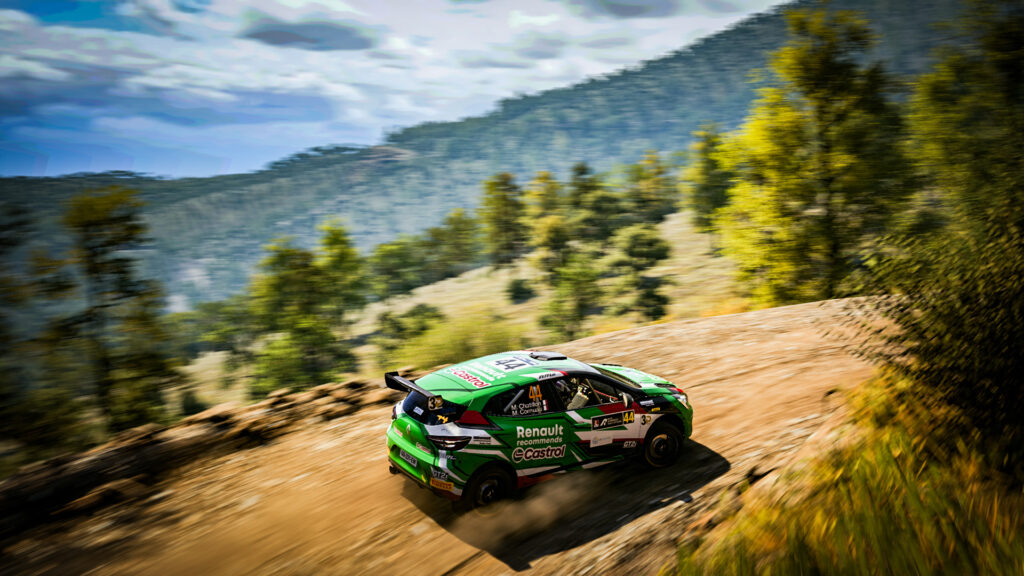
When EA SPORTS WRC was finally released in late 2023, it was beset by graphical inadequacies, manifesting in unstable frame rates and, for those on PC, annoying stutters.
Comments on social media decried the use of Unreal Engine by the development team for the first time, theorising a ‘DiRT Rally 3.0’ using the older and proprietary Ego engine would have looked better.
Probably, but we hear that the cancelled DiRT Rally 3.0 also used Unreal Engine. We’ve also heard that cars and liveries from the British Rally Championship had been captured for it at some point, although we aren’t sure if rallycross would have made the cut.
Maybe the two games, DR 3.0 and WRC, would be differentiated, one a more serious long-term platform and the other a yearly release that is more accessible.
DiRT Rally
But someone, somewhere, decided that creating two rally games was cutting a small pie too many times, and so, essentially, the projects were merged. And, financially, it’s hard to argue that rallying isn’t a niche.
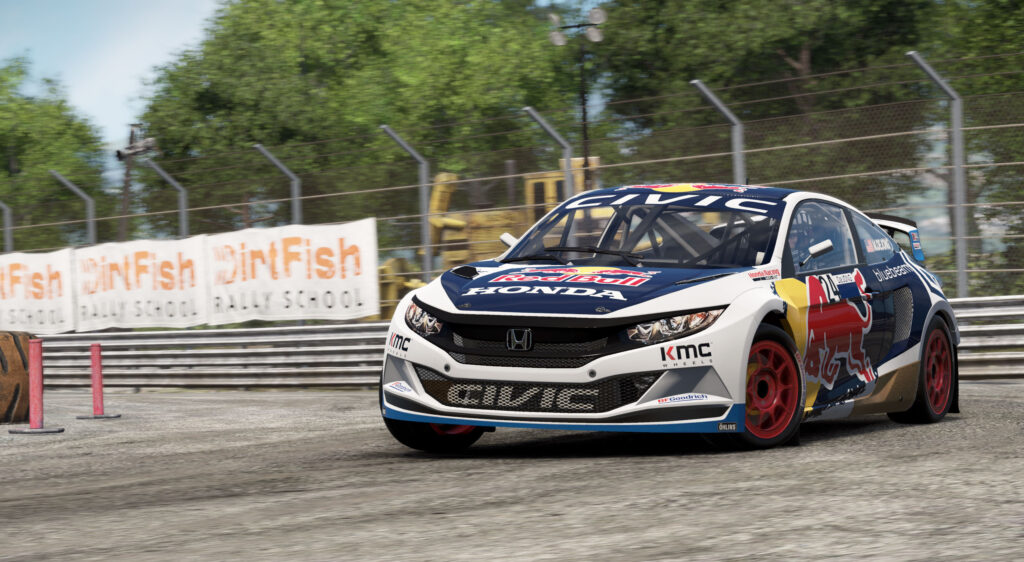
Did you think it was slightly odd, but brilliant, that the official WRC game from EA had so many classic cars, when the EA F1 games have removed such fripperies? Well, it’s not a stretch to imagine that these were originally created for a DiRT Rally title. Same too that list of five fictional locations tacked onto the official WRC calendar.
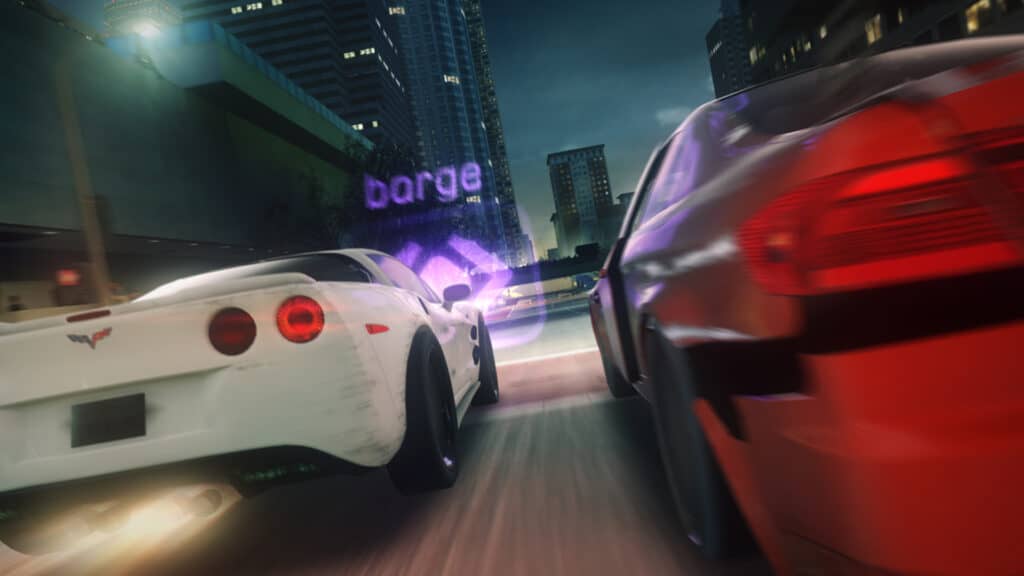
Take the on-track power-ups of Mario Kar, and place them within a gritty world with real-world licensed cars.
It shouldn’t work, but it does, like roundabouts or elevators.
Following the supreme Metropolis Street Racer and Project Gotham Racing series, which were known for accessible, car-based fun, development team Bizarre Creations was purchased by Activision, purveyor of Tony Hawk’s Pro Skater and Call of Duty.
It set about a new racing franchise, in theory appealing to a wide family-friendly audience, but also with a harder edge for racing game loyalists. This would result in Blur, released for PC and console in 2010.
Alongside the mayhem of EMP pulses, mines and shields, you needed to finish in the top three to progress to the next race, providing a stern test before ultimately beating nine rivals one-on-one. Then there were optional hidden gate-lined routes and how stylish your driving was, both of which provided extra fans, which you needed to unlock more vehicles.
So, weapons, results and points – they combined to deliver a rewarding, yet simple, progression path, something that Bizarre was an expert at.
After the first one was released – during the same month as ModNation Racers and Split/Second: Velocity, no less – naturally, work on the sequel followed.
Using the same basics, the environment was set to drastically change, with the ability to drive on the front of elaborate buildings and even loop-the-loops. Such verticality was set to be paired with a more advanced weather system, which included tornadoes.
But, Activision cancelled not just the game, but the entire studio, before it could be completed.
“Over the past three years, since our purchase of Bizarre Creations, the fundamentals of the racing genre have changed significantly,” it said to GamesIndustry.biz just six months after its release.
“Although we made a substantial investment in creating a new IP, Blur, it did not find a commercial audience. Bizarre is a very talented team of developers; however, because of the broader economic factors impacting the market, we are exploring our options regarding the future of the studio, including a potential sale of the business.”
Unlike the long-running Project Gotham series that it had made for Microsoft, Blur was a one-and-done thanks to a hasty decision made purely on launch-period sales figures. Savage.
Sébastien Loeb Rally Evo 2
Sébastien Loeb Rally Evo
An overlooked game next. 2016’s Sébastien Loeb Rally Evo was met at launch with a universal ‘meh’.
The somewhat tepid response was down to several factors, one being the graphics and the second being the engine sounds.
But, 10 years later on PC, and several elements still hold up.
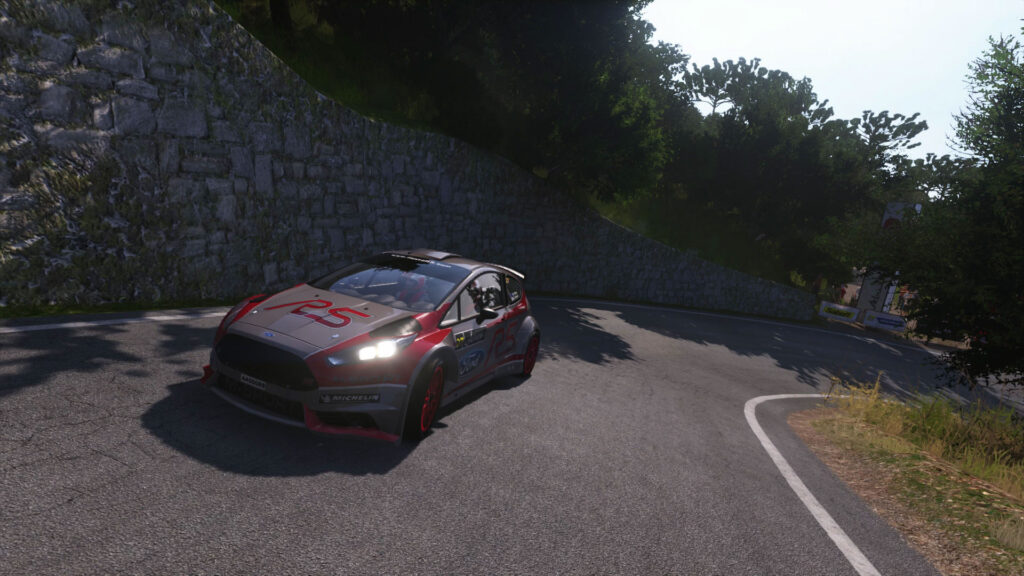
It’s also got Pikes Peak, one of the final games to include the American hillclimb, and accurate recreations of Italy’s sinuous Sanremo asphalt stretches. Cars include the giant-killing Citroen Xsara Kit Car and then-present-day WRC machines, and as a DLC bonus, cancelled Group S weapons.
The career mode takes you through these, with a bit of rallycross on the side, to chart the career of the title’s eponymous legend – Sébastien Loeb, who at the time, was the most lauded rally driver of all time.
But those engine sounds were flatter than an ironing board. And the visuals, too, while looking sharp on contemporary PC hardware, suffered a plethora of consistency issues, and on the PlayStation 4 and Xbox One consoles, poor frame rates. Handling with a gamepad was spiky, putting more casual players off, but it also lacked the realism of a Richard Burns Rally for purists.
Sébastien Loeb Rally Evo
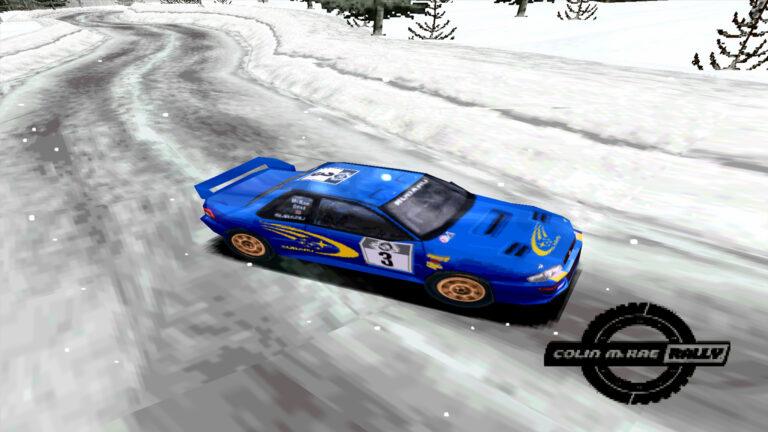
Then there was the name itself. Developers Milestone had lost the official World Rally Championship licence, and despite Loeb’s undeniable success, with one game alone, that brand needed building to earn the same virtual cachet as the Colin McRae rally series.
And this was meant to be just that – a series of rally games. Traxion understands that a sequel was greenlit, but then cancelled relatively early in its creation. The team’s main priority was to enhance the visual and audio experience, so a noble attempt was made by clearly listening to the fan feedback.
But, it was not to be. The more accessible Gravel was created by Milestone one year later, and with the abandonment of Rally Evo 2’s development, the company has never returned to the rally genre since. Sad.
Although…
Some of the current early access Assetto Corsa Rally creation team are ex-Milestone and ex-Seb Loeb Rally Evo. So while ACR isn’t a spiritual successor, you could say that without the cancellation of Rally Evo 2, maybe this new title wouldn’t have existed, or perhaps without the same drive to finally create a new authentic rally simulation…
Grand Raid Offroad
Image: Race Sim Central
From one rally game to another, although of a different ilk.
We’re talking rally raid, which takes the main sport of stage rally and increases the scope by 10. In particular, the genre’s tentpole event, the Dakar, which these days takes two weeks to complete, with the longest stages covering a greater distance than an entire WRC round.
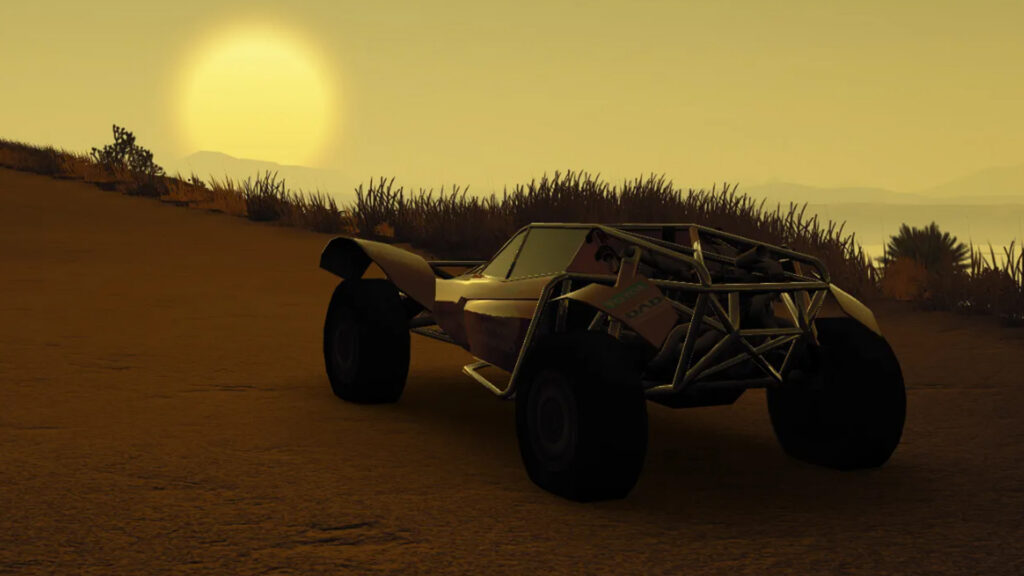
Grand Raid Offroad was aiming to replicate such scale, with giant environments to race across, and if the trailers are anything to go by, against multiple rivals. In fact, some of the footage showcases fields of over 20 vehicles all racing across desert plains.
The environments look diverse too, not just sand but forests, lakes and mountainous regions.
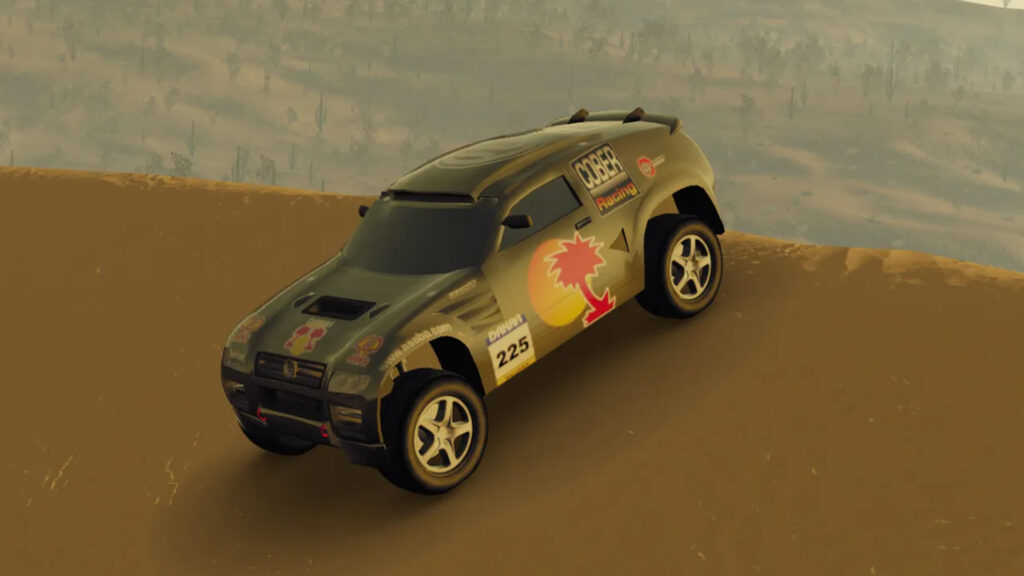
This was the work of Asobo, and we can see Dakar-style cars – albeit without a licence, check out that fake Red Bull logo on the not-VW Touareg – and that large play area is key.
Ultimately, this project was cancelled, but the learnings went into 2009’s Fuel. Commonly misinterpreted as a Codemasters-created driving game, instead, it was Asobo who created this post-apocalyptic title, with the British company simply acting as publisher.
Image: Race Sim Central
That game claimed a playable area, without loading times once moving, of 5,560 square miles – a new Guinness World Record for console environment size.
It was also terminally dull. All that size, and no real gameplay advantage to it.
But, Grand Raid Offroad, which seems to have been in development for at least five years, set the template for Fuel, and helped the team create the Asobo Conception Engine. It uses procedural generation to deliver mass scale and still be able to fit on a disc.
Fuel wasn’t a critical or sales success, but Ubisoft saw something in the technology, with Asobo working on The Crew and The Crew 2, both of which feature, yes, giant procedural open-worlds.
Do you know what else does? Microsoft Flight Simulator 2020 and 2024, which is created by… Asobo.
So, while Grand Raid Offroad never materialised as a finished product, it set the groundwork for some seminal releases.
IndyCar
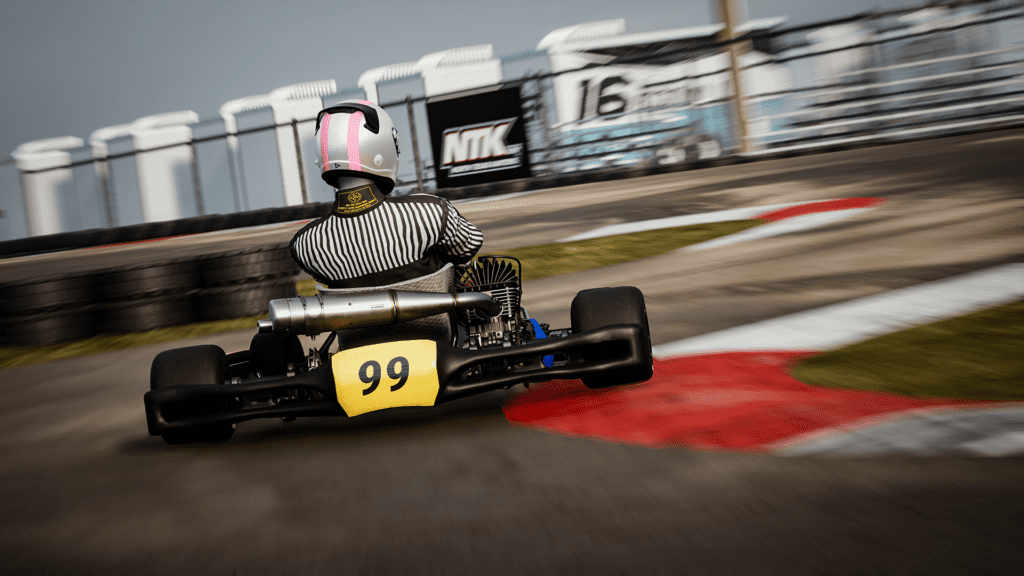
Another game that provided a technical basis for different titles was KartKraft.
The entry-level single-seater racing simulator was initially independently created by a small team in Australia. Perennially encountering monetary strife, the project was purchased by Motorsport Games in 2021, with plans for it to exit early access, console ports and a sequel.
The first of those was achieved, and PlayStation and Xbox conversion were being worked on – but this and a sequel were halted when that team was handed the keys to the official IndyCar game.
It was to use the same Unreal Engine basis KartKraft did, but now with laser-scanned circuits and the official drivers, teams and sponsors from the real-world series for both PC and console.
And it was meant to be released in 2023. Then 2024. Then, it was canned, following a “comprehensive commercial review.”
“I think a lot of really good work has been done with the current partner, Motorsports Games,” said Penske Entertainment CEO Mark Miles to Marshall Pruett of RACER in September 2023.
“They’ve put a lot into it. We’ve seen evidence of how it looks. It’s amazing.
“But they are struggling to have the resources to finish the job.”
KartKraft
Following the project’s cessation, the IndyCar organisation terminated Motorsport Games’ contract. Eventually, a compromise was met, leading to a $2.9 million reduction of liability for MSG and no doubt breathing a collective sigh of relief.
Part of this deal was for IndyCar itself to receive the partially completed game and try to find another developer to finish the job.
As per leaked images and trailers, we know it was playable to a degree, and considering its development timeframe, Streets of Nashville should have been included. The bumpy street circuit never made it into a game officially, and as it’s no longer used, it’s unlikely ever to.
It presumably would have featured an Exhibition Place recreation, home of the Grand Prix of Toronto until last year.
However, IndyCar was not able to find a new team to complete the development either.
Yet, let’s not be so dismayed. A fresh deal with iRacing was struck, and the sim racing service has now put the team behind niche off-road racer ExoCross in charge of an all-new IndyCar game for PC and console later in 2026.
So while Motorsport Games Australia’s attempt will continue to sit on an American hard drive somewhere, Indy 500 fans will have a new game to look forward to – the first in over 20 years.
Project CARS 4
Project CARS 2
In many ways, our final entry links back to the first.
The Project CARS series can trace a lineage back to the original handful of GTR racing sims, with Ian Bell working on those titles before founding Slightly Mad Studios, working on Need for Speed Shift, Test Drive: Ferrari Racing Legends and then this series.
Now, to the Redwood-based gaming giant’s credit, like most companies, it has made some good decisions and bad decisions. It seems like to us its strategy presently is to double down on super success titles, such as Battlefield, The Sims and EA SPORTS FC.
And as you can tell, Project CARS doesn’t really fit into those ‘buckets’, to sound like I’m on an earnings call.
We’ll perhaps never know truly why the axe fell, and to its credit, EA did state it tried to find people roles elsewhere within the organisation at the time. Let us know in the comments below what your thoughts are.
Interestingly, Traxion understands that the title was roughly between 75-80 per cent on the way to a launch-ready state when the decision was taken – although a couple of key milestone deadlines may have been missed by this point.
Naturally, it was using the Madness Engine technology, which still sits with EA, in what could have been dubbed a ‘refactored’ state. This was set to include strides forward in rendering technology, keeping up with current trends.
These allegedly included on-track skid marks that would last through a whole race weekend, plus different ‘base’ tyre marks each time you started a new race weekend
Tyre marbles and dirt build up, which washed away in the rain
Soft-body-style barrier deformation
Grass and gravel churned as more cars drove through
AI rivals that would try to break the tow or defend the inside line, or drive around puddles
In theory, these all sound like features sim racers would appreciate.
We also understand that it really, truly was trying to be an out-and-out racing simulation this time, unlike 3’s more accessible tone. To do so, road cars were removed, with a stripped-back race car ethos, circa 80 models, with a focus on greater consistency.
Project CARS 2
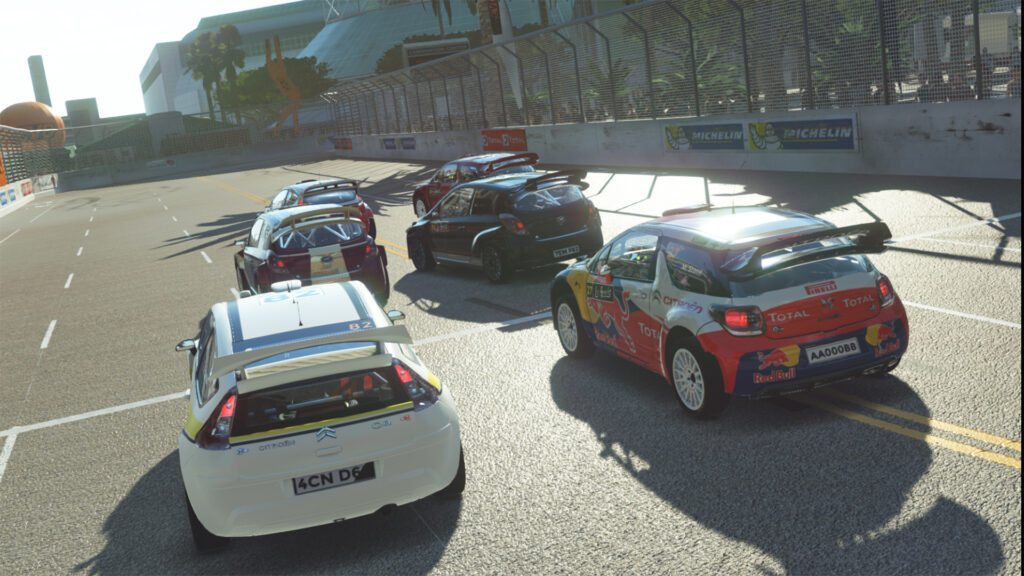
A common complaint with Project CARS 2 was that some cars could feel noticeably more authentic than others. It was arguably trying to do too much, with point-to-point streets, rallycross and ice driving.
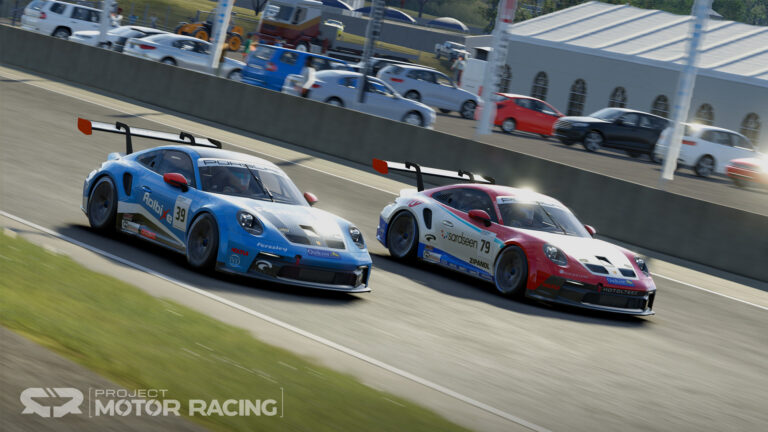
But, it wasn’t to be – in the end, several people working on Project CARS 4 did indeed find work on other EA-controlled titles, or work for other racing game companies or ended up at the newly formed Straight4 Studios. This was formed, like a phoenix from the ashes, to relaunch the GTR series with GTRevival, which would eventually become Project Motor Racing.


Discussion
0 Comments
Join the discussion
Join Traxion.gg to start discussing with members.
Already a member? Sign in