Opinion: Sony ditching physical games is bad, but is there an alternative?
With news emerging that Sony intends to kill off physical game production, we take a look at why this is terrible for gamers and why there's probably nothing we can do about it. Soz.
Games are great, aren’t they? In the past, you’d save up your pocket money, browse the shelves of your local Electronics Boutique / GameStop / Best Buy, purchase an game, then insert it into your disc drive. Job done, enjoy.
Once you’d completed it, you could take the game back to the shop and trade it in for another. The retailer got a cut, the developer and publisher got a cut, and you got your next game at a lower price than the RRP.
You’d even sometimes get a lovingly presented instruction manual to read and fawn over at your leisure (who else spent hours reading Gran Turismo‘s chunky manual on the toilet? Hello?).
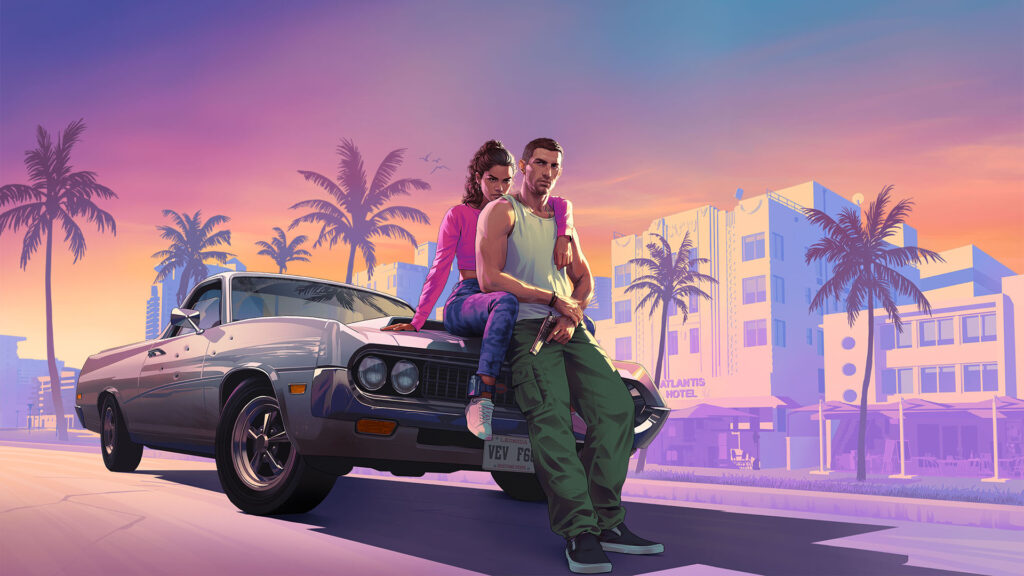
However, in recent years, the tide has turned in the industry; physical games are becoming rarer, specialist sellers are diversifying or dying out, and Grand Theft Auto VI’s physical release will be a code in a box.
With Rockstar Games seemingly preparing the ground, Sony then announced it will do away with physical PlayStation discs entirely, a choice that will have huge ramifications for the future of gaming.
As you’d expect, the feedback from the games-playing public has been overwhelmingly negative, but it reflects a wider trend towards digital-only gaming over the last few years. In 2022, for example, an estimated 89.5% of game sales were digital, although this figure may be overstated due to loss-leading subscription models and DLCs.
As an avid collector of older racing titles through all eras of PlayStation gaming, I find this an alarming prospect.
Altogether now: “Booooooo”.
Hardware limitations
Sony claims the decision reflects player habits. “This transition will enable us to align more closely with how most of our community prefers to access and play games today,” read an official statement (probably written by Ian Sony himself).
So, this should mean we get cheaper PlayStation Store prices, right? We’ll get cheaper games, right? Right? (Cue Anakin and Padmé meme).
Unsurprisingly, Sony has not confirmed the digital switch will make games cheaper, but it will surely reduce the Japanese giant’s packaging and production costs. In fact, as I browse the PS Store today, I see new games for eye-watering prices. For example, violence simulator UFC 6 is £69.99, yet you can buy a physical version for £62.99 from Smyths.
Where are the savings for going digital, then, Mr Sony? Make it make sense.
Thanks @3DClouds for the Formula Legends Legacy Edition!
It's crazy that this indie racer has a physical disc release but GTA 6 won't – and every new PlayStation game from 2028… pic.twitter.com/Fovu7S3den
Traxion writer is angry with Sony. There’s a theme emerging.
Sony pioneered the Blu-ray technology used in PlayStation game discs and retains royalties on their production, so I guess they’ll lose some revenue from this. Regardless, the format has been pushed to its limits by the storage requirements of modern games.
It’s impossible to fit some Triple-A titles onto a single 4K Blu-ray (100GB capacity). As games invariably increase in installation size, the cost of producing multi-disc versions would also rise. The shortfall is nearly always made up by a hefty day-one download.
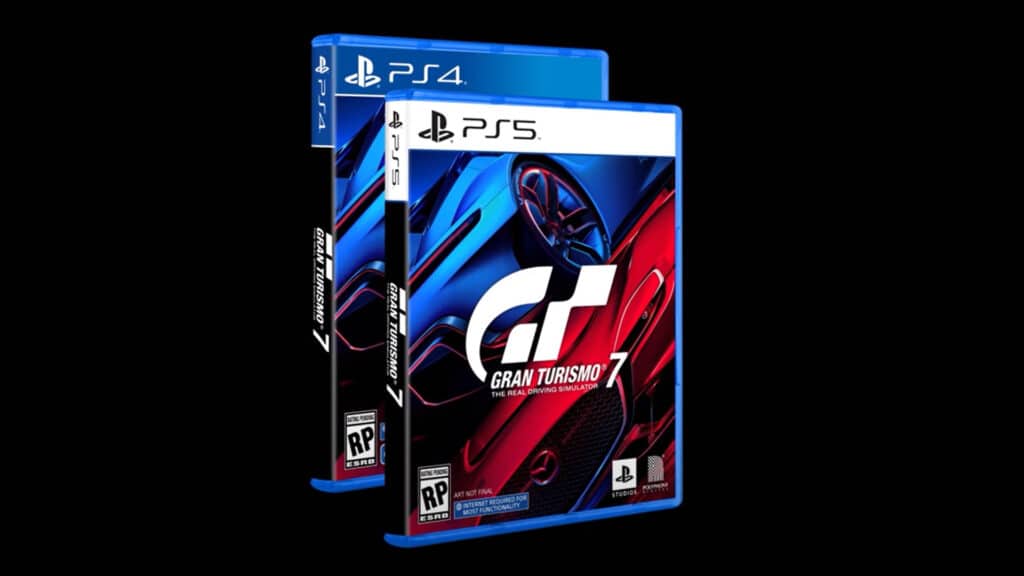
GT7 is almost certainly the last in the series to have a physical disc version. Enjoy it, folks.
Future-proof?
If I fancy playing a bit of Tourist Trophy on my PS2, all I need to do is connect it to my TV and stick the disc in. Likewise with Gran Turismo 5 and my PS3, or GT6 and my PS4. How will I play GT8 in 10, 15 or 20 years after its release, I wonder?
When I buy it, will it remain linked to my PlayStation account forever, so it can be played on the PS6, PS7, and beyond? Well, the digital purchases I made on my PS3 weren’t carried over to my PS4, so I don’t feel particularly reassured.
Sony isn’t doing much to help in this regard, either, as alongside its bombshell announcement, it also revealed the 2027 cessation of the PS Store on both the PS3 and PS Vita.
GT6 on the PS3
Now, these are old consoles, so it’s understandable to an extent, but considering many people have purchased games digitally on them, will they still retain access in the long term? Another official Sony statement read:
“Players will still be able to download previously purchased content after the closing date for the foreseeable future.”
This is a shocking glimpse into the kind of future gamers may experience, and on a much larger scale than the game-destroying practices protested by the righteous Stop Killing Games movement. Be warned, Sony has previous form.
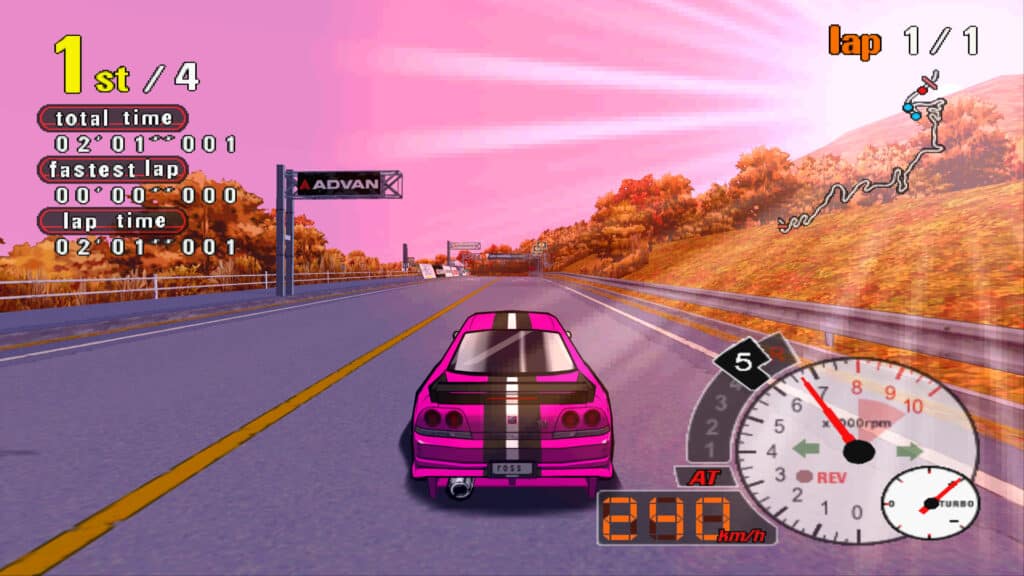
Thankfully, it’s still possible to play physical versions of classics like Auto Modellista on PS2
Rubbish PC
For PC gamers, digital-only has been a fact of life for a while now, mostly thanks to the popularity of storefronts like Steam and GOG. On Steam, I have a vast collection of old racing sims that just work, which is great, but if my internet goes down or if Steam has technical issues, I can’t use them. Not so with physical media.
Essentially, future PlayStation gaming looks a lot like PC gaming but with less anti-aliasing, so why not just invest in a PC instead? Has Sony made a rod for its own back in the long-term? Will it inadvertently promote piracy and drive customers away from Sony hardware in future? Why am I asking so many rhetorical questions?
We need to consider retailers in this argument too, with specialist shops and supermarkets set to be hit by the death of physical games. Even now, many first-party and Triple-A titles rely heavily on physical sales, especially around Christmas, when older generations pick up presents for their younglings. Trade-ins also won’t be possible, further affecting consumers’ pockets.
It’s difficult to find a positive in this situation, but I guess going digital-only is more environmentally friendly, given the reduced need for plastic packaging.
If you were looking for a balanced argument, that’s about all I can muster.
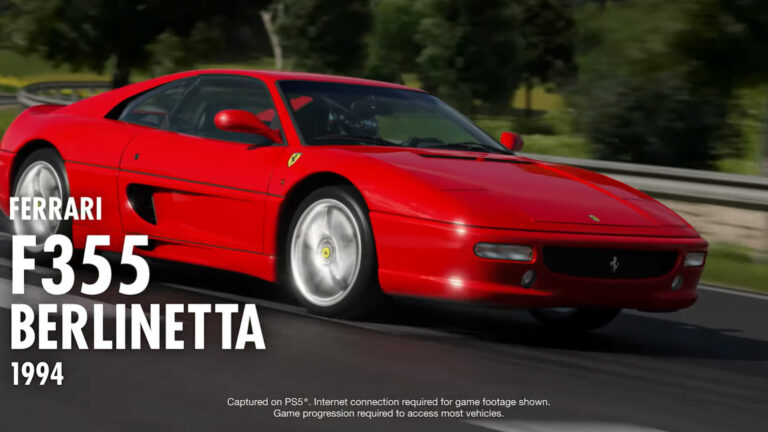
“I remember when this was all fields, and when our Gran Turismos came in a box. Halcyon days they were”.
Despite the increased interest in physical vinyl records and 4K movie discs, video games have gone in the opposite direction. The fact is, fewer people are buying physical games these days, so a lot of the blame lies with consumers (retro gaming is perhaps bucking the trend here, but 30 years from now it will look very different).
Perhaps older gamers like me are the ones raging over the death of physical media, while younger generations, raised on iPads, TikToks, and instant YouTube gratification, are far more comfortable with digital storefronts.
One day, physical gaming may also be trendy, but until then, we face the prospect of losing accessibility to future generations of games.
Can gamers change Sony’s mind, though? Unless we all stop buying digitally and use our local games retailer right now, then no.
‘an estimated 89.5% of game sales were digital” you could have stopped the article right here, the market set its standard, it’s not Sonys fault or Sony bad company give me likes plis
Haha! So that figure is a little dubious as it’s thought it doesn’t consider DLC, or things like Xbox Game Pass, so the physical sales figures are likely higher (but probably not a majority).
The main concern here is that 50-60% of many first-party and triple-AAA titles are physical sales, so ironically this could affect the biggest studios more.
As a physical media advocate and collector myself, this is devastating for ownership and preservation.
The problem too with the 80% digital sales argument is that it’s manipulated to include games that are exclusively sold digitally with no physical option.














Discussion
‘an estimated 89.5% of game sales were digital” you could have stopped the article right here, the market set its standard, it’s not Sonys fault or Sony bad company give me likes plis
Haha! So that figure is a little dubious as it’s thought it doesn’t consider DLC, or things like Xbox Game Pass, so the physical sales figures are likely higher (but probably not a majority).
The main concern here is that 50-60% of many first-party and triple-AAA titles are physical sales, so ironically this could affect the biggest studios more.
As a physical media advocate and collector myself, this is devastating for ownership and preservation.
The problem too with the 80% digital sales argument is that it’s manipulated to include games that are exclusively sold digitally with no physical option.
That’s a good point about total digital sales, and I do wonder if that includes free-to-play giants like Fortnite and Rocket League?