
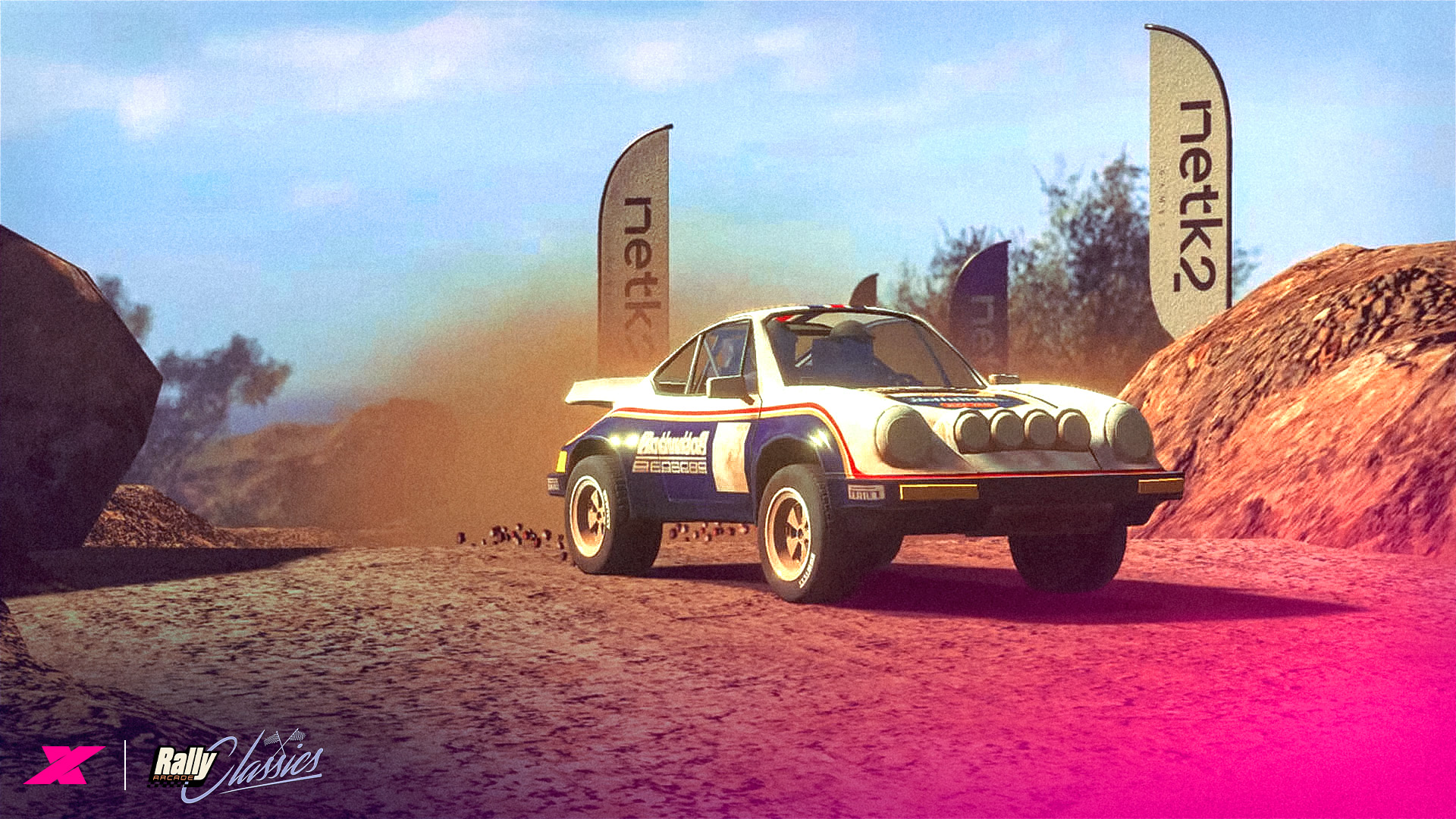
With the official WRC game series on hold until 2027, indie developers are filling the void with a raft of retro-inspired rally games. One such game is Rally Arcade Classics, the debut driving title from Barcelona-based indie studio Net2KGames, first released on PC before being ported to PlayStation 5, Xbox Series X|S and Nintendo Switch.
Whereas Old School Rally prioritises PS1-style polygonal graphics, and Super Woden Rally Edge favours an overhead viewpoint, Rally Arcade Classics is a throwback to early 3D arcade rally racers, particularly Sega Rally.
A slow start
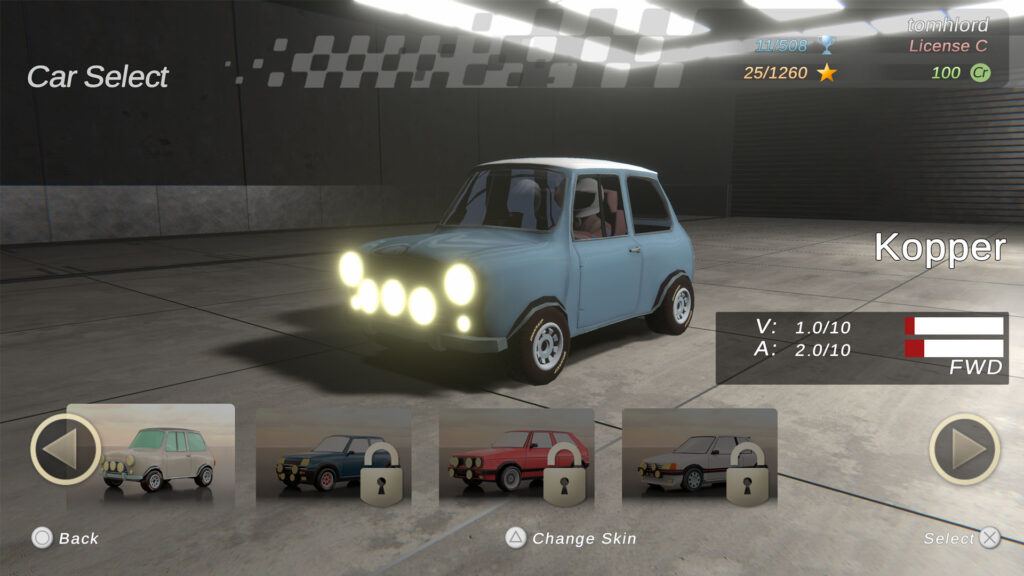
On the surface, you would be forgiven for thinking this is a second-rate budget title similar to the spate of unlicensed PS2 rally games that once lurked in bargain bins. Its presentation is uninspired, with dull menus, generic looping guitar music and cheap-looking text resembling 1990s WordArt.
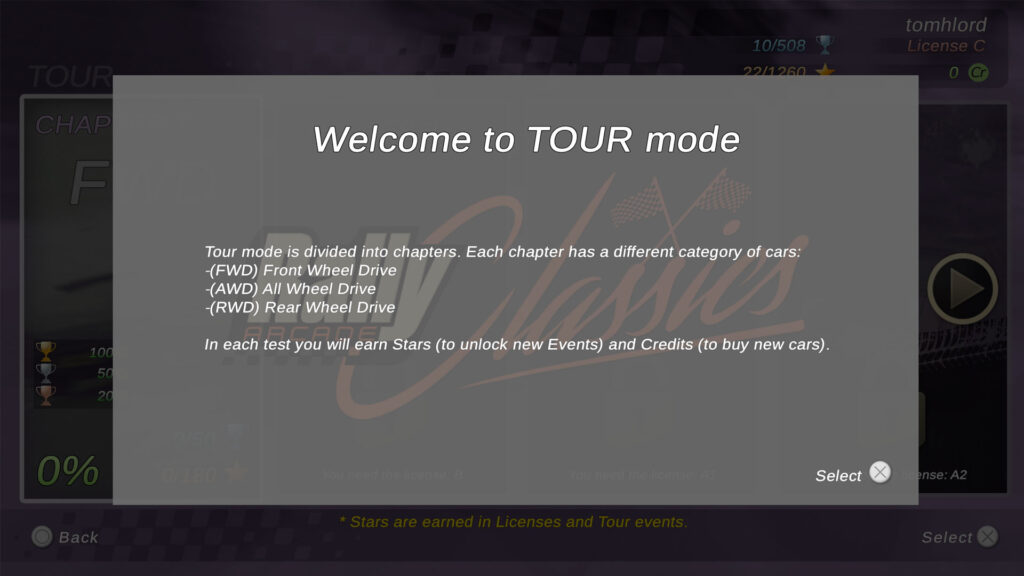
At its core, Rally Arcade Classics focuses on short point-to-point time trials on mixed surface stages, earning gold, silver or bronze medals for the fastest times. As you progress, stars earned in the main Tour mode unlock more events. With no service stops for repairing damage, the focus is solely on beating the clock.
Before you can tackle these time trials, you must complete a series of Gran Turismo-style license tests. This feels like an unnecessary hurdle, but they are mercifully short. Combined with low payouts in early events that leave you stuck in the starter cars for a long time, the slow pacing can feel like a slog.
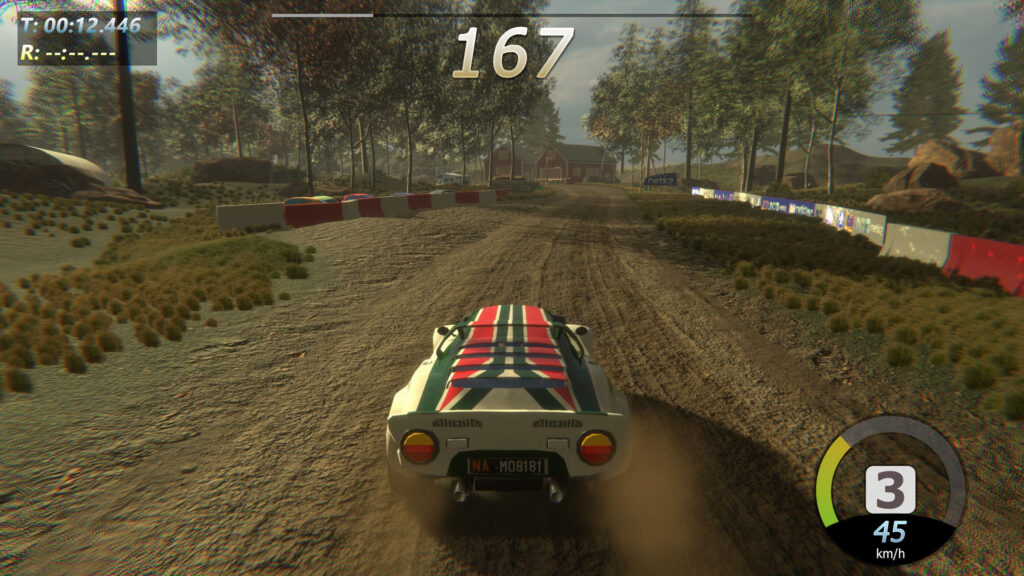
Despite the lack of official licensing, the car roster was clearly curated by rally aficionados. There are over 40 lookalikes inspired by real-life models between the 1970s and 2000s, from the Lancia Stratos (or the ‘Startros,’ as it’s called in-game), to the Audi Sport Quattro S1 (named the ‘Fourttro’) and Subaru Impreza WRC (‘Imperial’).
While rally fans will instantly recognise the designs, the stretched proportions and flat textures give some cars a toy-like appearance.
Alongside a chase camera, the retro-style rally game can be played from an overhead perspective, but this reduces visibility of the road ahead. Sadly, there is no cockpit camera option, unlike Rush Rally 3, for example.
A bloated campaign
With an overwhelming 360 events grouped into six chapters, each representing a car class, there is a lot to keep you busy in the main tour mode. For completionists, achieving gold for every tour event, rally and license test is no easy feat and could take dozens of hours – but few will have the patience.
The main issue is that there aren’t enough locations to sustain the campaign’s length. With only four locations (Finland, Catalunya, Greece and Monte Carlo), it soon wears thin, with every chapter repeating the same locations and game modes. Its structure is as bloated as a season of Stranger Things and feels designed for a game with a larger scope.
Alongside the traditional time trials, versus challenges, drift challenges, and five-car races help ease the monotony of the Tour mode.
On top of that, there is also a separate rally mode with county-specific championships and a Sega Rally-style arcade mode, where you must chase down 14 opponents across four stages and beat them to the finish line to get the gold trophy.
There is an incentive to complete the arcade events, too. Not only do they offer some of the highest payouts, but finishing first unlocks a high-spec R version of an eligible car, replete with replicas of iconic liveries such as the blue, yellow and gold livery the Subaru World Rally team used in the 1990s and 2000s.
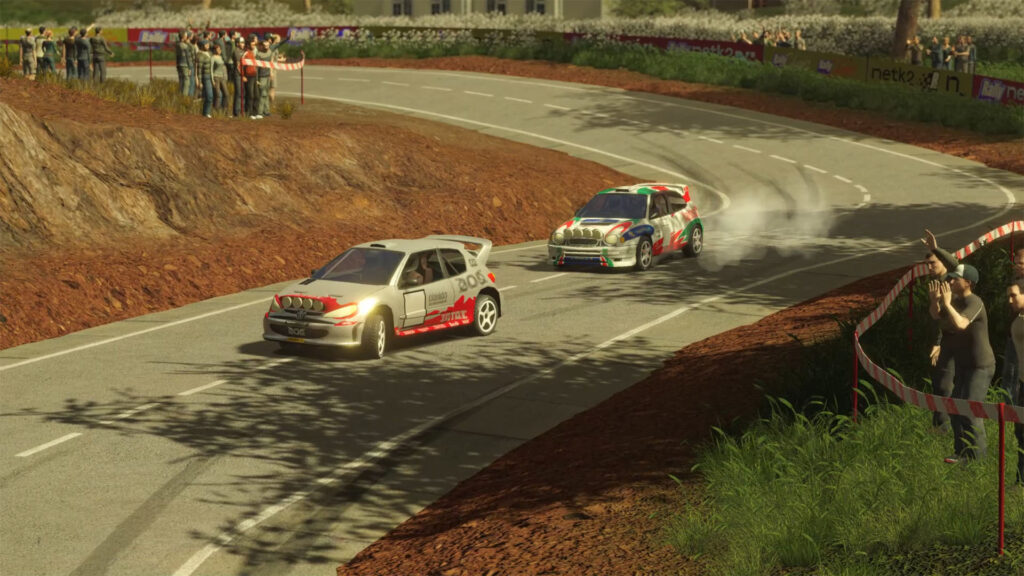
It’s a shame they are used sparingly, though, only appearing in a dedicated FWD R Tour and a small number of rally events.
Unfortunately, events with other cars on-screen fall flat thanks to the docile AI, with opponents driving slowly like they are stuck in first gear. They are merely obstacles to avoid, as they drive on a set path and don’t react to your position.
To make matters worse, the AI drivers exhibit a strange habit of braking in the middle of straights, while the dodgy collision detection makes them immovable in impacts. This is particularly frustrating if you hit a rival when trying to overtake on a narrow stretch, instantly bringing you to a halt.
Time extension
And yet despite its shortcomings, Rally Arcade Classics is utterly compulsive. Remove the AI opponents, and it shines when it’s just you versus the elements.
While there aren’t enough locations, the stages are well-designed, with narrow sections, elevation changes, and detailed surroundings making them a joy to tear through, only spoiled by flat lighting.
It’s a shame they don’t last long, with most stages taking between 30 seconds and one minute to complete. There are some exceptions, but combining existing tracks into a longer special stage in final events would have added an extra challenge.
However, the shorter stages lend well to playing on portable consoles like a Switch, Steam Deck or PlayStation Portal in small bursts. Unsurprisingly, the Switch version fares the worst, with noticeably lower resolution textures.
Although the Nintendo version is backwards compatible, there is currently no native Switch 2 version. Thankfully, performance is resolutely smooth on PS5, Switch and Steam Deck.
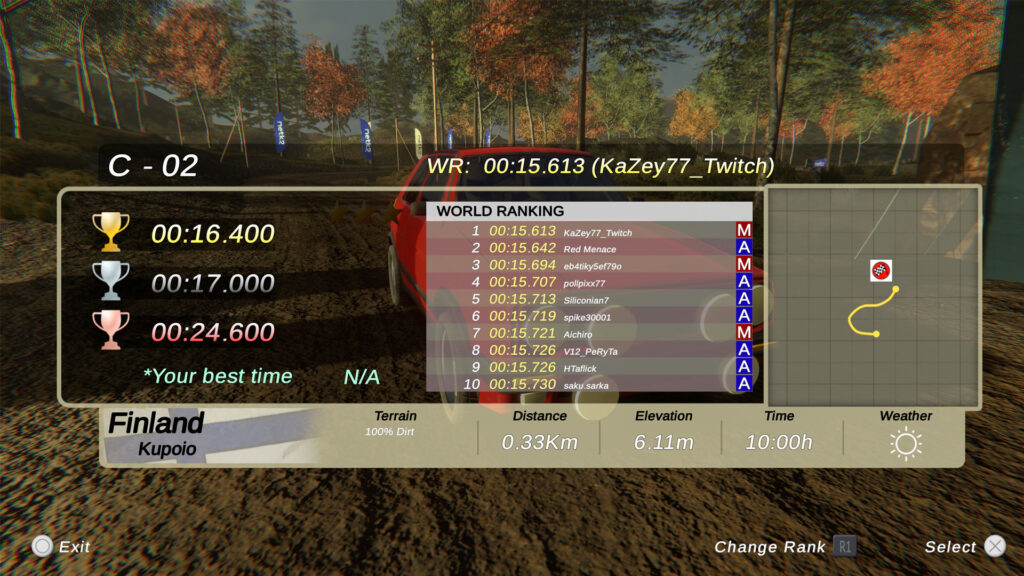
What also keeps you coming back is the constant presence of online leaderboards. Every event compares your time with others on a global, cross-platform leaderboard, with options to compare your time with friends or the top 25 players.
A quick five-minute game can unintentionally turn into an hour-long session as you chase the fastest time, finding ways to save precious milliseconds. Like the classic arcade games it emulates, it nails that one-more-go feeling. Leaderboards are also utilised in weekly and monthly challenge events, which help make up for the lack of online multiplayer.
Wonderfully weighty driving
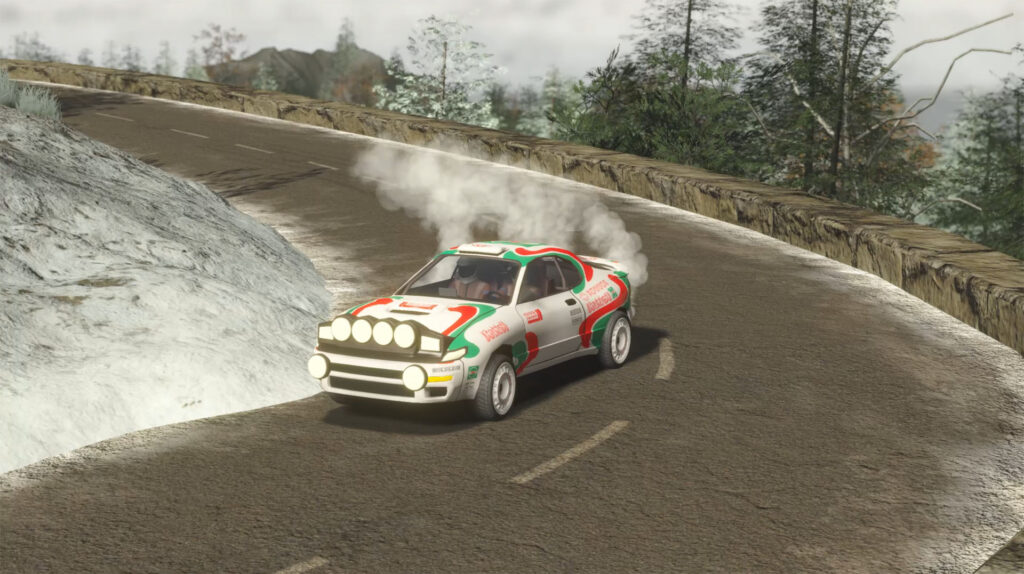
It’s the weighty vehicle handling that truly excels, however. As you tap the handbrake and hurtle sideways around a hairpin turn, there’s a wonderful feeling of weight shifting and traction that many of its indie rivals, and even bigger budget titles, lack.
Compared to other indie rally titles, Rally Arcade Classics boasts one of the most satisfying driving models, making you feel connected to the road. It’s accessible, yet nuanced, with RWD cars being more skittish at the limit than their AWD counterparts. Timing the throttle input right to control the drift angle while sliding on slippery terrain feels sublime.
Rally Arcade Classics is clearly hampered by its low budget. Its repetitive campaign, unpolished presentation, lack of locations and online multiplayer hold it back. But despite this, its superb stages, addictive leaderboard-based time trials and wonderfully weighty driving elevate it above average.
If you can overlook its shortcomings and are compelled by collecting gold times, Rally Arcade Classics is an enjoyable, casual game best played in short bursts. When it shines, it recaptures Sega Rally’s brilliant simplicity. A fun but flawed indie rally gem.
Considering it’s the fledgling developer’s first driving game, this is a sterling effort from a passionate three-person team that already has a penchant for engaging driving dynamics.


Chat with the Community
Sign Up To CommentIt's completely Free