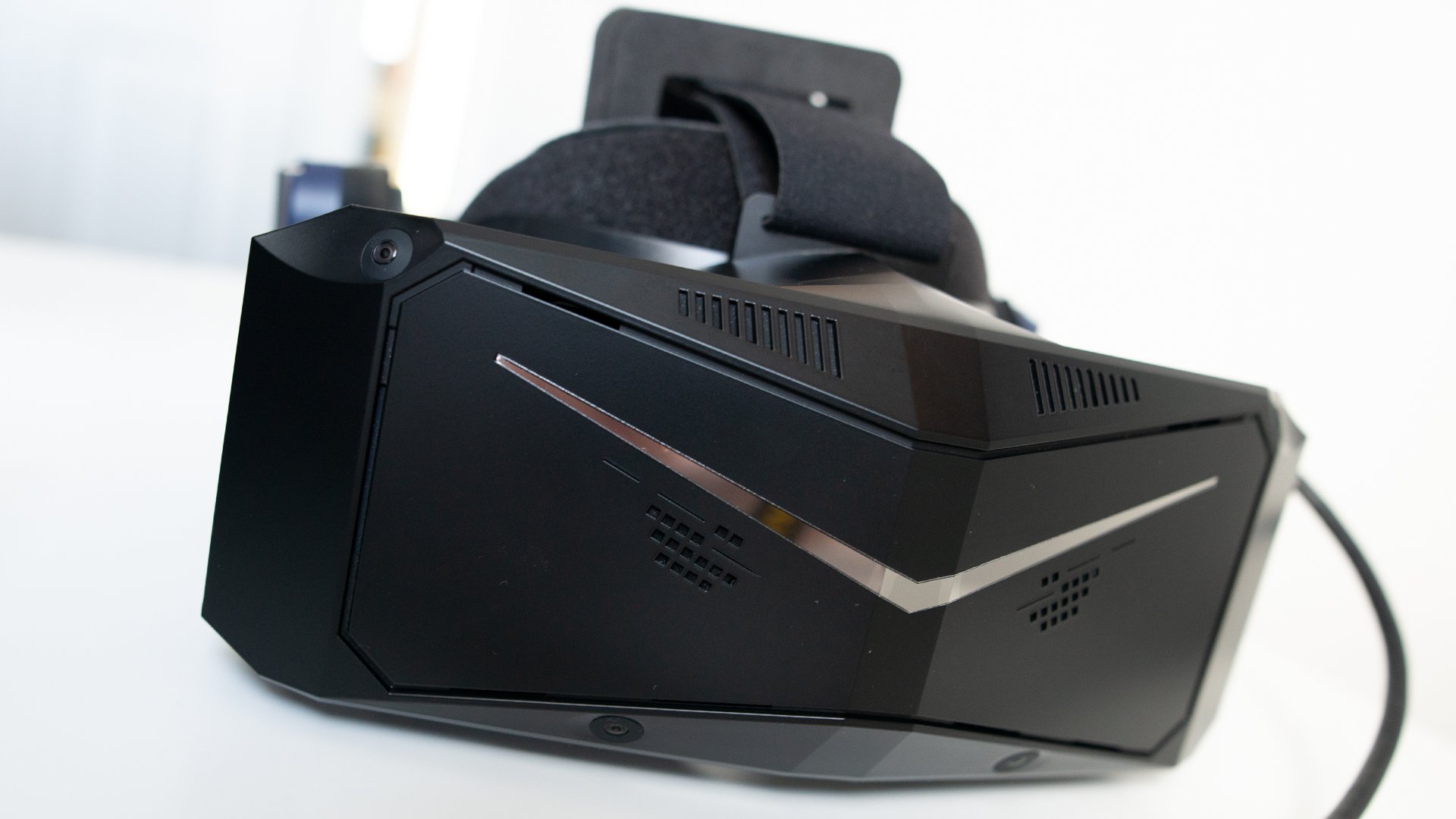
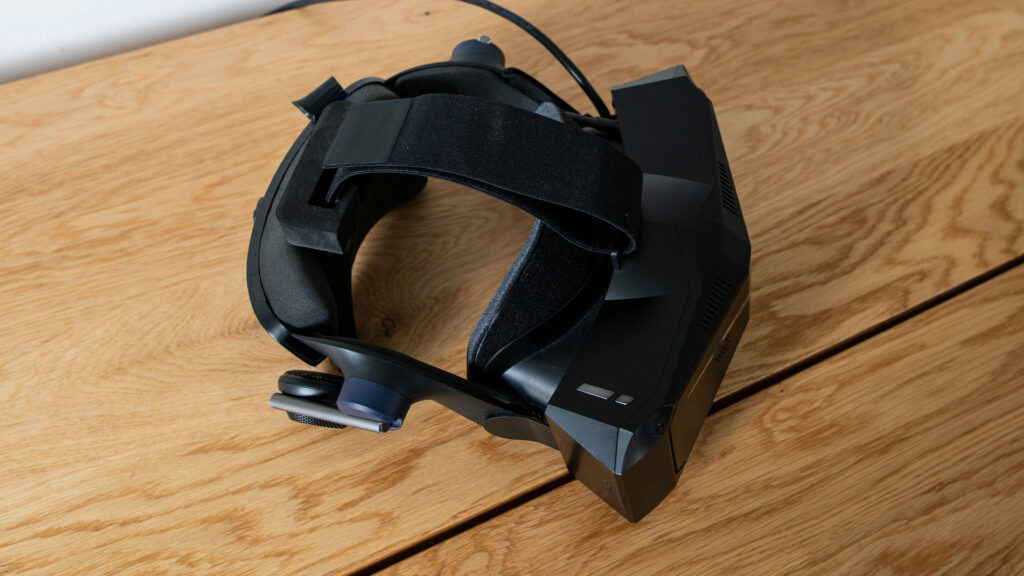
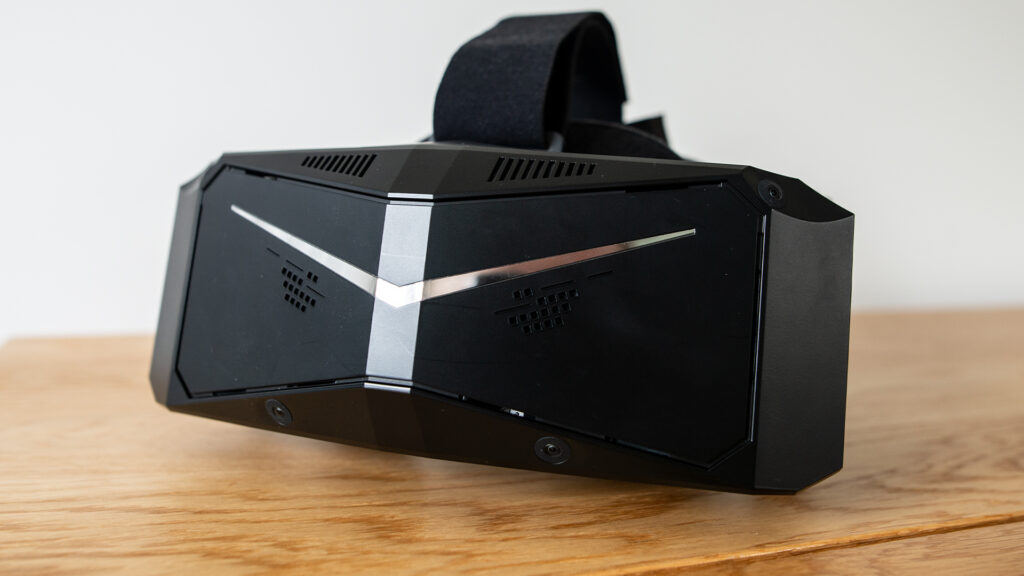
The Pimax Crystal Light is one of the best choices for sim racers looking to drive in VR.
Released in 2024, the Crystal Light blends serious visual horsepower with a range of sim-racing-focused features, making it the ideal companion to iRacing.
Find out why using Pimax’s headset can improve your sim racing experience below.
Why use a VR headset with iRacing?
Firstly, using a VR headset for sim racing provides an immersive, first-hand experience of driving a car.
This allows you to judge distances better, from nailing braking points to quickly checking your blind spots mid-battle, a VR headset like the Pimax Crystal Light allows users to control a car more naturally.
Although a triple-screen setup provides some additional peripheral vision and depth perception, a VR headset is a much more compact and potentially more wallet-friendly alternative.
To use VR in iRacing, first you need to ensure you have a valid iRacing subscription, your PC meets it and your VR headset’s recommended settings, and that the Pimax Play software is running.
Then, in the iRacing UI app, you should change your display settings from ‘Monitor’ to Open XR. This is found via the ‘Display mode’ icon at the top right of iRacing’s desktop UI (located next to the ‘Cart’ symbol).
From here, the sim will boot up in your headset, and you’re all set to drive in VR. Finally, remember to assign a key to the ‘Reset HMD’ function to ensure your point of view remains centred.
Using the Pimax Crystal Light for iRacing
So why is a Pimax Crystal Light ideal for sim racing, and more specifically, iRacing?
Well, its 2880 x 2880 resolution QLED displays bring vivid colours and sharp details to each eye, comparing favourably with arguably the headset’s biggest competitor, the Meta Quest 3, which features 2064 x 2208 resolution per eye.
In our experience, this made it much easier to read our car’s dashboard for lap times, with data like tyre pressures and traction control/ABS settings super clear to see – almost as if we were in the cockpit itself.
Its aspherical glass lenses, which offer a larger ‘sweet spot’ in terms of focus, combined with a pixel-per-degree (PPD) figure of 35, give the Crystal Light enhanced clarity over its competition, and this really comes to the fore when the on-track action gets busy.
Pimax’s 6DoF Inside-Out Tracking tech allows the headset to track user movement without external sensors, though the Crystal Light supports the optional Lighthouse Faceplate for more precise tracking, which is better suited to games like Half-Life: Alyx than sim racing titles (we’d advise players to use the Lighthouse Faceplate for games like these, with the hand-tracking a little scatty on occasion).
Its wide 125° field of view ensures you can see all the on-track action, while adjustable refresh rates of 72Hz, 90 Hz, and 120 Hz deliver smooth frame rates, with most consumer headsets topping out at 90 Hz.
The wide FOV was especially handy when driving wheel-to-wheel online, allowing us to use our peripheral vision to keep tabs on our opponents while focusing on our next apex, providing an advantage in close-quarters battles.
Although our modest gaming PC rarely used 120 Hz, the action flowed along nicely at 90 Hz, which was more than acceptable for our requirements.
Fixed foveated rendering
However, one of the biggest contributors to improved graphical performance with the Crystal Light is its use of fixed foveated rendering (FFR). FFR reduces the fidelity of the surrounding image while maintaining the intricate details of where the player is actually looking.
This ensures the best image quality where it’s needed most, while also helping maintain consistently high frame rates, which are crucial for successful wheel-to-wheel racing. We noticed a decent bump in frame rates (reaching around 20 fps) when FFR was selected, with no perceptible impact on iRacing’s overall visual quality.
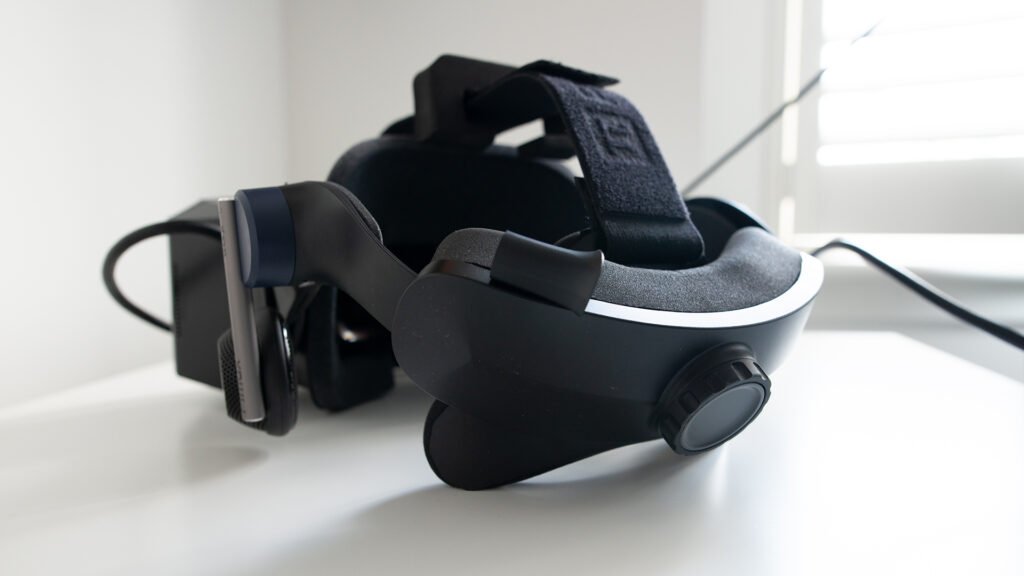
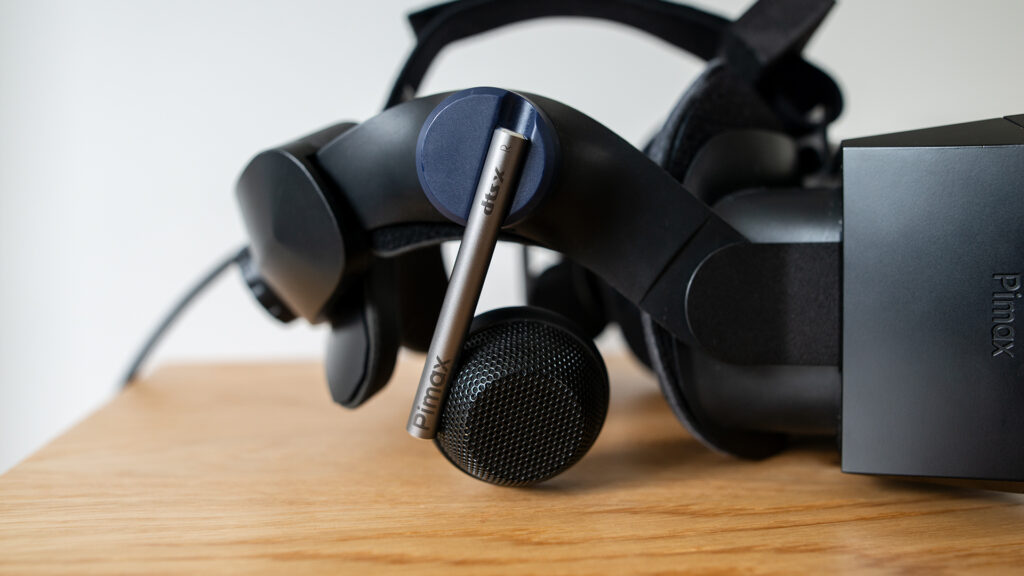
As for audio, the Crystal Light features a fully integrated sound system replete with two microphones and compatibility for Pimax’s optional DMAS Headphones upgrade.
Everything is controlled via the Pimax Play software, which makes it easy to set up and customise your Crystal Light experience, with full live chat support available.
The standard audio package is fine, but the DMAS upgrade is even better, featuring more bass and punchier mid-tones – ideal for conveying kerb strikes and gear changes.




Discussion