There was a time when Criterion was renowned for its genre-defying arcade racers like Burnout and Need for Speed.
And yet aside from Need for Speed Unbound, the Guildford-based UK studio has been mostly relegated to an EA support studio over the last decade, developing the vehicle sections for the Star Wars Battlefront and Battlefield series.
In a recent media event celebrating the studio’s 30th anniversary, its racing game achievements were surprisingly downplayed. “We’re not here to talk about the past,” said Battlefield Studios Europe’s Rebecka Coutaz, reported by IGN. “We are solely focused on Battlefield.”
But the studio will always be synonymous with its racing titles. Here are five reasons why its legacy deserves to be celebrated.
Criterion created Grand Theft Auto’s first 3D engine
Before it became synonymous with Burnout, the studio was established in the early 1990s as a technology division of Canon, where it developed a 3D graphics engine known as RenderWare.
Initially, the engine powered the studio’s first PC-exclusive racing games, including Speedboat Attack and Redline Racer. However, it was also adopted by third-party developers, including none other than Rockstar Games.
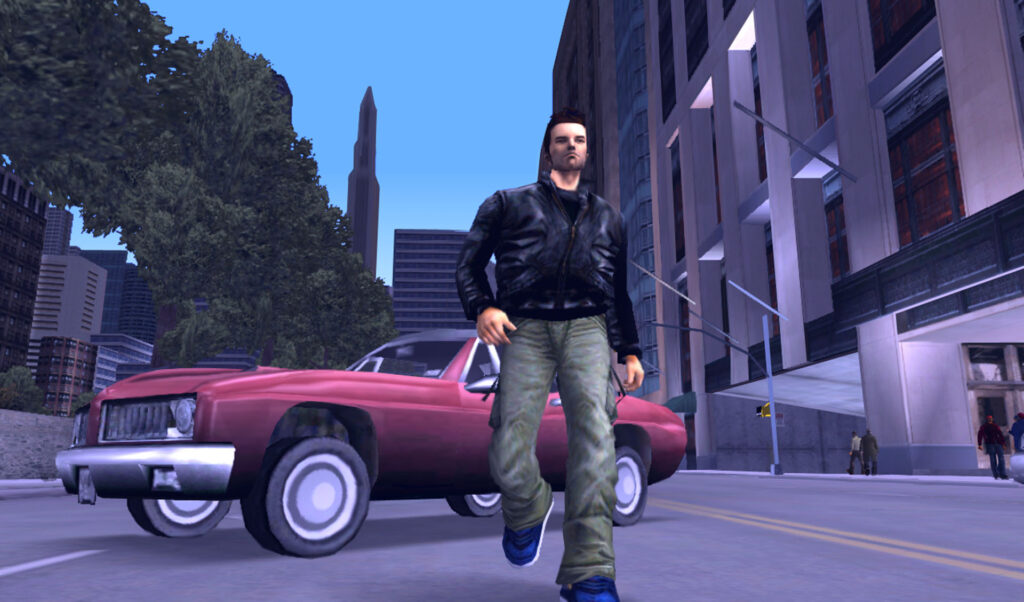
As a result, this pivotal engine would not only power every mainline Burnout game, but also Rockstar’s early 3D Grand Theft Auto games, including GTA III, Vice City and San Andreas – instrumental titles that transformed the industry.
Its chaotic arcade racing was unrivalled
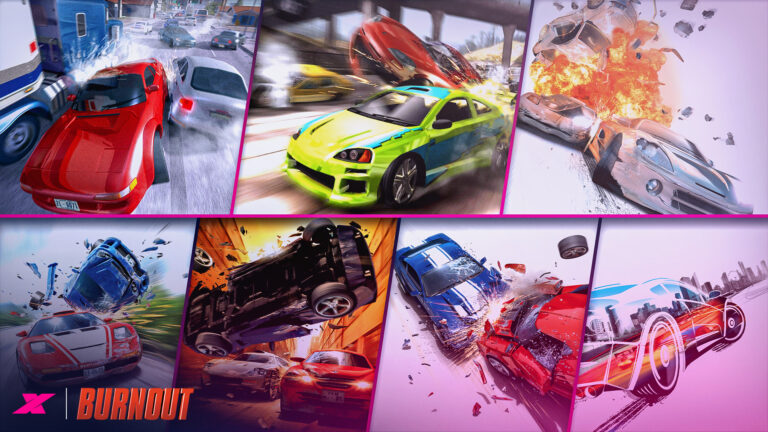
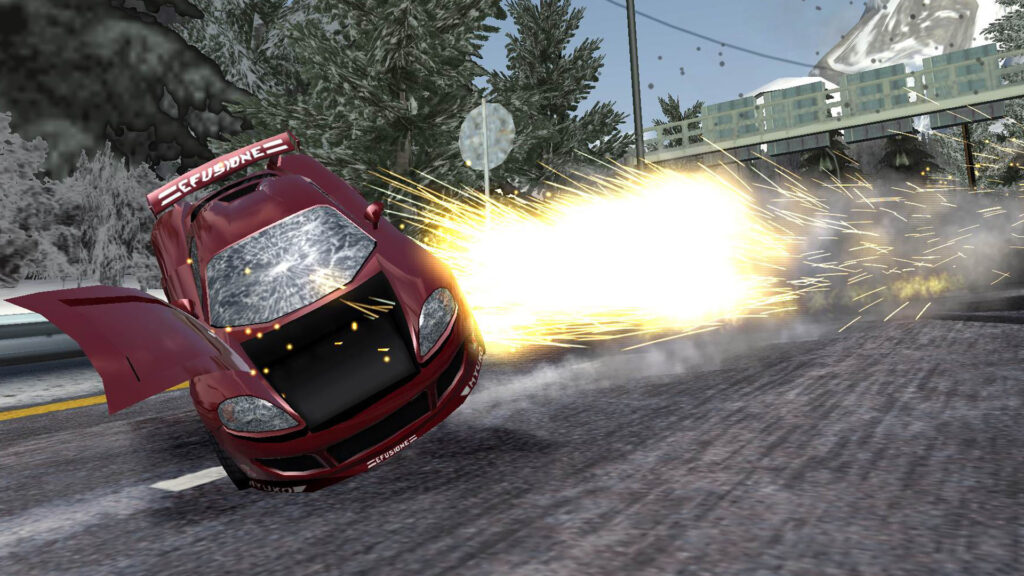
After experimenting with extreme sports games like TrickStyle and AirBlade, Criterion created the seminal Burnout series. Born from the developer’s love of arcade racers, it encouraged reckless driving as you raced on city streets at ridiculous speeds while dodging traffic.
This was rewarded with a speed boost, known as a Burnout, which could be activated once the meter was full. This sense of risk vs reward would define the series.
Of course, crashing was inevitable. Since the first game, spectacular wrecks have been a staple of the series, where a lapse of concentration can send you slamming into oncoming traffic.
This was turned into a dedicated mode in Burnout 2’s Crash mode, where the aim is to cause as much damage as possible at designated junctions. The more vehicles that get caught up in the carnage, the higher your score. It became a fan-favourite mode, returning in subsequent entries.
2004’s Burnout 3 introduced the series’ now-signature takedowns, encouraging you to ram into rivals and cause them to crash. Criterion’s brand of chaotic arcade racing was unrivalled.
Burnout Paradise set the template for modern open-world racers
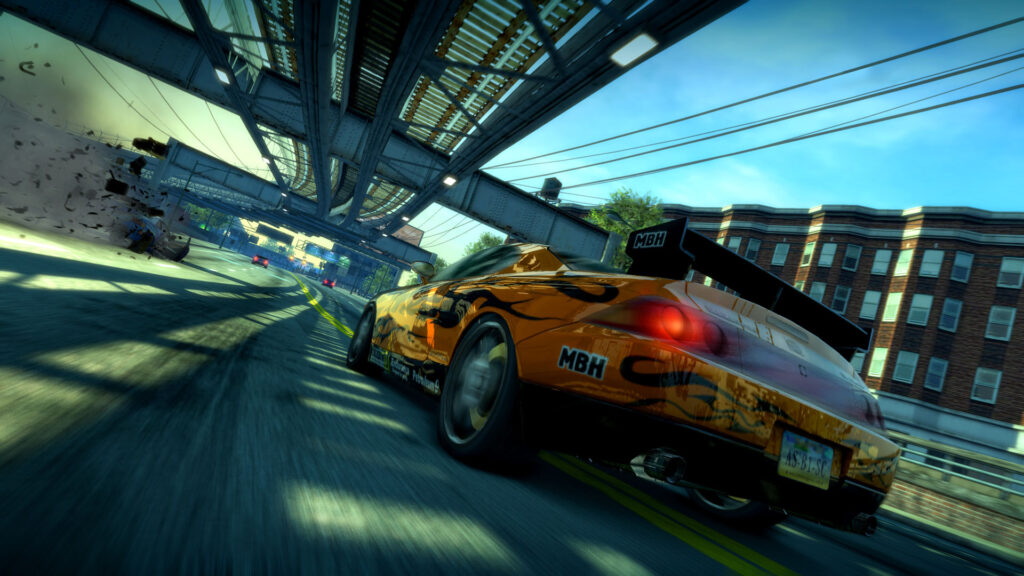
While the first four Burnout games were set on closed city street circuits, Burnout Paradise took the action to the fictional open world of Paradise City. Open-world games are no longer revolutionary, but this was 2008. With Test Drive Unlimited released only two years earlier, it effectively helped set the template for modern open-world racers. Forza Horizon was still four years away.
“It was bonkers,” Burnout Paradise’s executive producer, Matt Webster, told Traxion, reflecting on switching to an open world. “It was really difficult to make that because we were mad. With every game, we wanted to make it bigger and innovate.”
What made Burnout Paradise’s location so special is that everything was seamless. Events were triggered by simply pulling up to a traffic light junction and pressing a button. Likewise, the EasyDrive menu let you seamlessly switch between single-player and online multiplayer like magic.
It also helped that the world was a joy to explore, with smashable billboards and gates to collect and plenty of stunt opportunities.
Autolog brought asynchronous multiplayer to Need for Speed
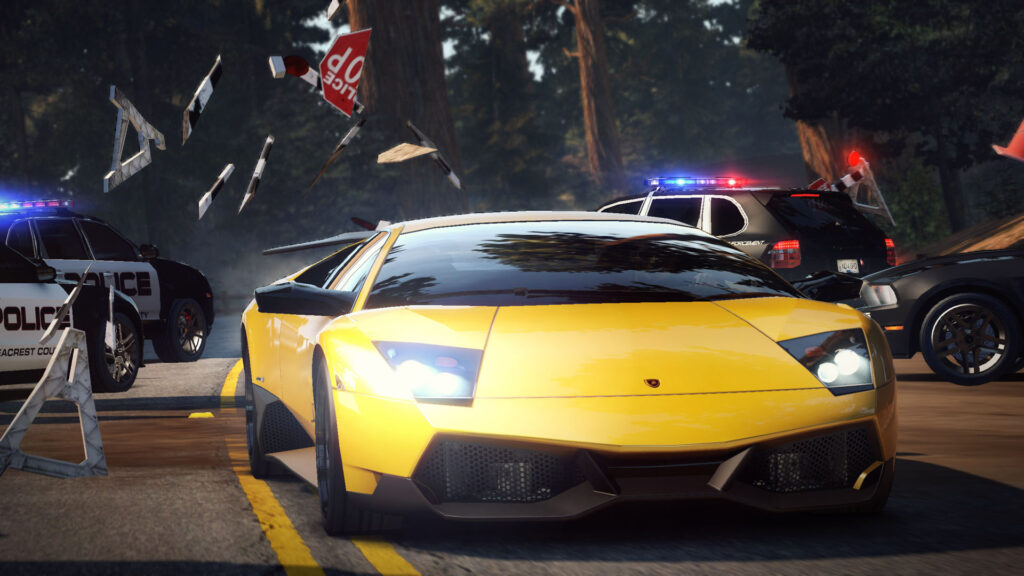
After Burnout Paradise, Criterion switched to the Need for Speed franchise, developing 2010’s Hot Pursuit and 2012’s Most Wanted. Hot Pursuit was notable for introducing Autolog, a social media-style system that tracked your progress and compared it to your friends in real-time.
Whenever someone on your friend’s list beat your best time or high score, it would notify you and challenge you to beat them. This was revolutionary, allowing players to compete asynchronously.
Criterion collaborated with Ghost Games on titles like the 2015 Need for Speed reboot, but its next solely developed driving game didn’t arrive until a decade later with 2022’s Need for Speed Unbound.
Since then, the series has gone on hiatus. Last year, EA said the series will “return in new and interesting ways,” but with Criterion focusing on the Battlefield series for the foreseeable future, that now seems unlikely.
For a studio with so much racing game pedigree, it’s a sad end of an era.
Its legacy is living on
However, while Criterion may not be the arcade racing powerhouse it once was, its legacy will live on.
Since leaving the Guildford studio, many of its talented developers are scattered across different studios working on arcade racing games aiming to recapture the spirit of Burnout.
Matt Webster founded Fuse Games, where ex-Criterion staff, including Need for Speed Unbound’s Creative Director Kieran Crimmins, are working on Star Wars Galactic Racer. With its spectacular takedowns and blistering sense of speed requiring quick reactions, Burnout’s influence is prevalent.
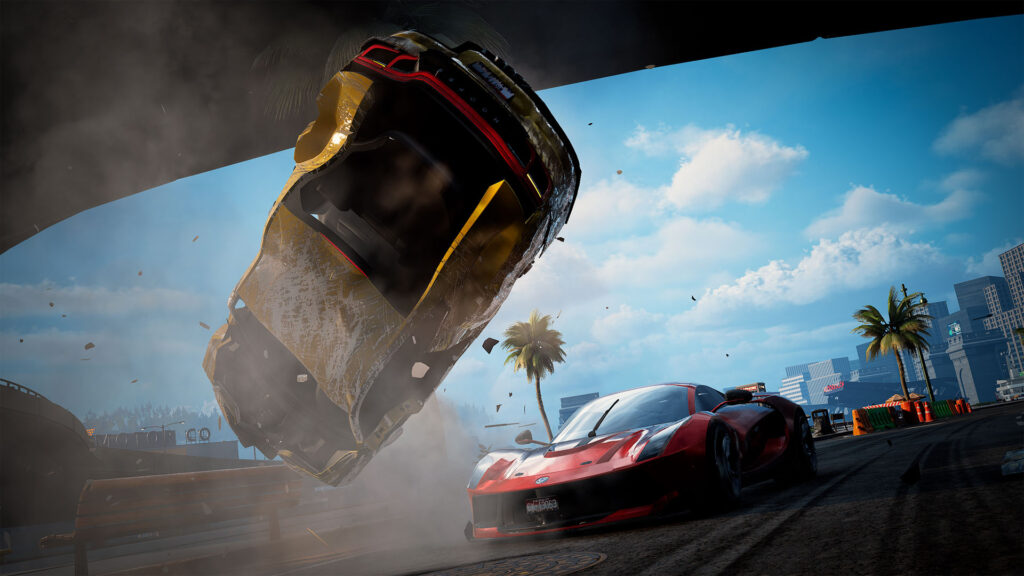
Announced this week, Wreckreation 2 is a closer Burnout successor. Helmed by Criterion Games co-founder Fiona Sperry, the surprise sequel to the original 2025 game takes cues from Burnout Paradise with an open-world coastal city and emphasis on battling opponents.
“If you ask somebody what’s a great arcade racing game, they’ll still say Burnout – despite the last release launching in 2008,” said Sperry.
“For years, people have been telling me the audience for arcade racing has gone – that it disappeared. I don’t believe that. I think the audience is still there. The big guns of the industry have concentrated on fewer, bigger titles, meaning it perhaps hasn’t had the same focus it once had.”


Discussion