There is a common consensus that the arcade racing scene is dead – and it’s easy to see why.
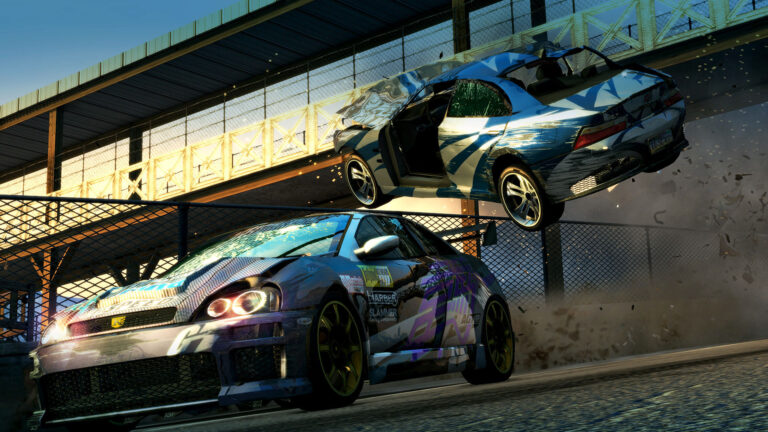
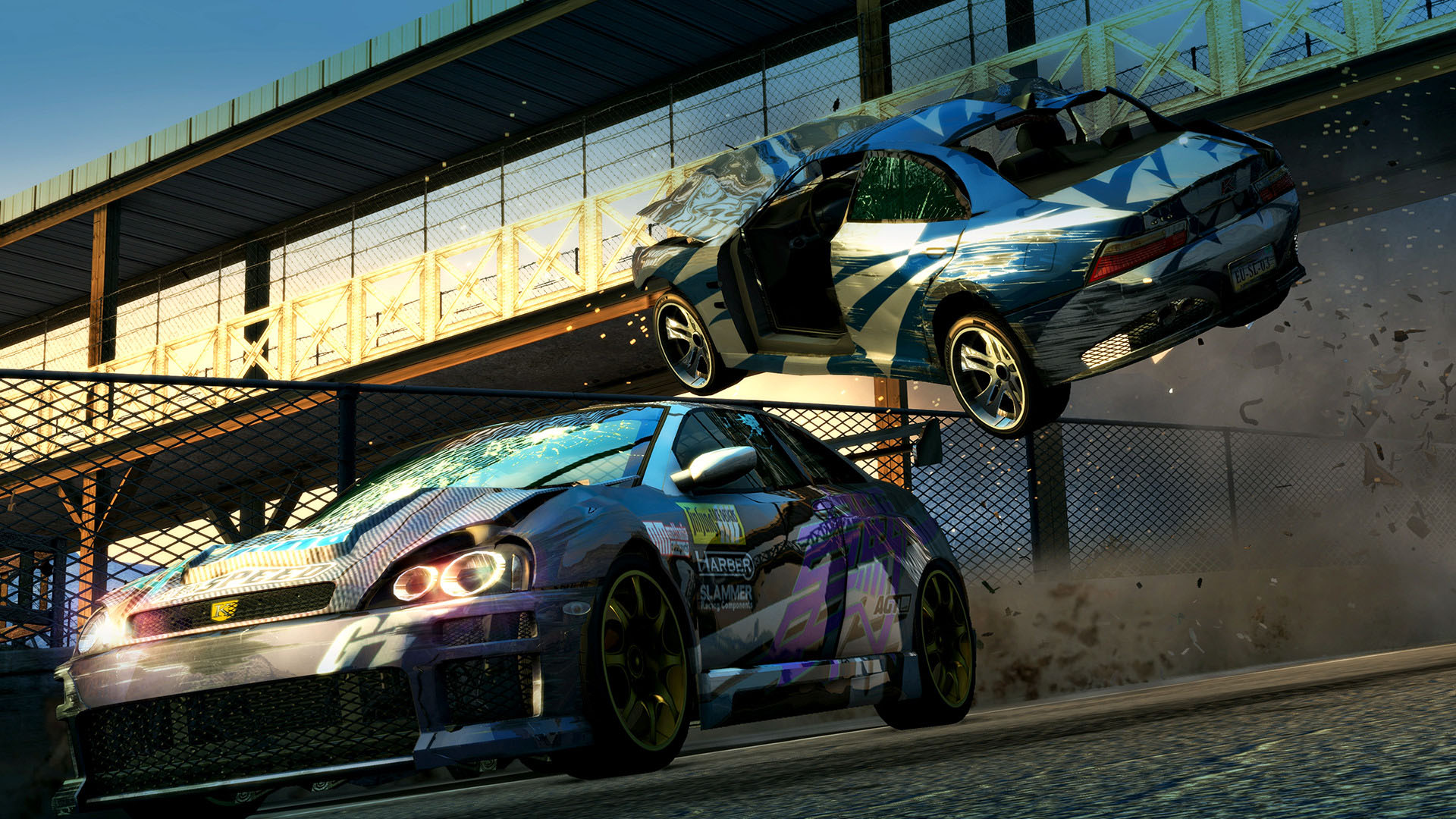
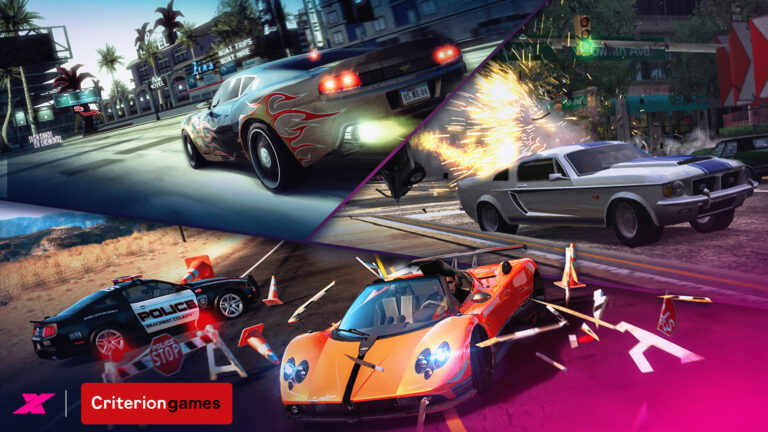
Burnout has been dormant for nearly a decade since 2018’s Paradise Remastered. Before that, there hasn’t been a proper mainline game in nearly 20 years. Meanwhile, Need for Speed has been on hiatus since 2022’s Unbound, with its developer, Criterion Games, focusing solely on Battlefield for the foreseeable future under EA.
Recent attempts to revive the genre have fallen flat, too. Milestone’s Screamer was admirably ambitious with its anime-inspired story campaign and fighting game-esque combat system, yet it flew under the radar. Consequently, arcade racers are often underlooked by publishers and reserved for the indie scene.
“Arcade racing is underserved,” Fuse Games’ CEO Matt Webster, who previously worked as a producer for Criterion and EA on titles including Need for Speed: Hot Pursuit and Burnout Paradise, told Traxion when reflecting on current state of the arcade racing scene.
“If we look back to the early 2000s or early 2010s, there was a proliferation. But across the history of video games, there have always been racing games.”
“What we’ve tried to do is push the genre forward and shake some of those conventions. I feel like I’ve been constrained over the last ten or fifteen years. This is a wonderful opportunity for us to do that.”
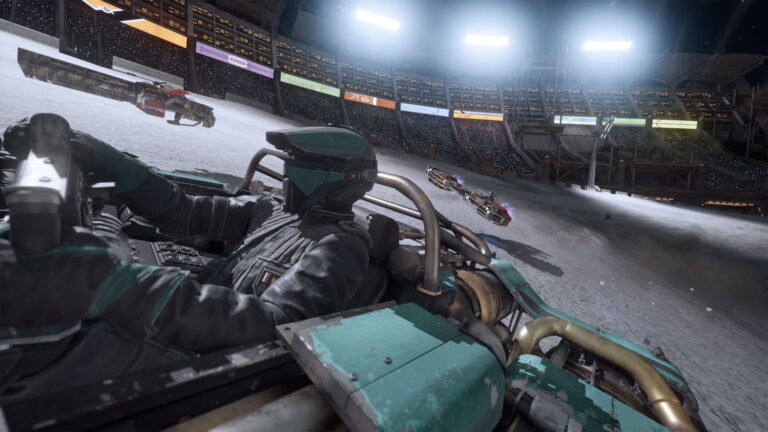
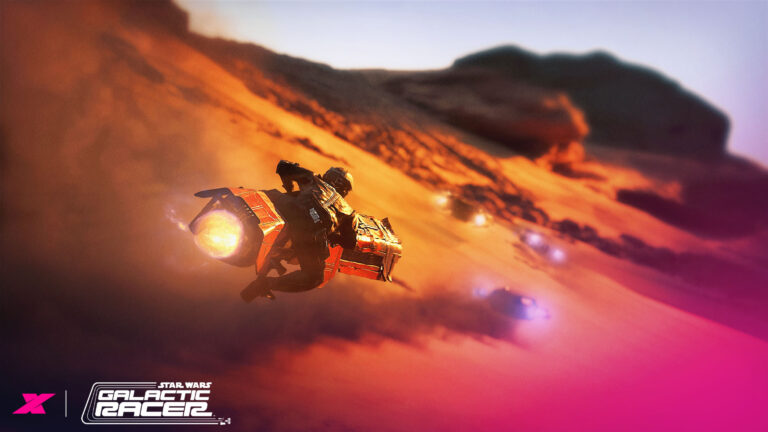
Launching in October, Galactic Racer sees players pilot vehicles from landspeeders to pod racers across different planets in the Galactic League. Its weighty vehicle handling, palm-sweating sense of speed and spectacular crashes evoke an intensity that is often missing in modern arcade racers.
Depth in arcade racing games “has been lost”
Another misconception of arcade racers is that they are shallow and don’t require skill. “I always remind people that arcade is not the absence of depth,” said Webster. “If you think about arcade games at their core, you have to put more money in it, so it’s got to give you that fantasy experience.
“But it’s got to keep you playing. It’s got to be super approachable but deep. And I think that has been lost somewhere along the line.”
That sense of challenge and depth is pertinent in Galactic Racer. Its campaign adopts a roguelite structure, where wrecking your vehicle forces you to restart the current story act. This is balanced with an extensive upgrade system, allowing you to install and combine different parts and perks for the next run.
“We wanted to make a proper triple-A arcade racer with innovation but also something familiar,” Creative Director Kieran Crimmins explained.
“It feels like a privilege to put that out where the industry is right now. I play loads of double-A and indie arcade racing games, but I feel like the market for a triple-A one is absolutely open.”
Since it’s attached to the Star Wars IP, Fuse Games is confident that Galactic Racer will appeal to a mass audience who enjoy the thrill of racing but aren’t necessarily car enthusiasts.
“It’s reminding people how great racing games are,” said Webster. “That desire to be first. It’s like a primal competitive aspect. That’s what gaming is about, and I think it’s been lost along the line. I feel like we’re bringing that back.”
An avalanche of arcade racers
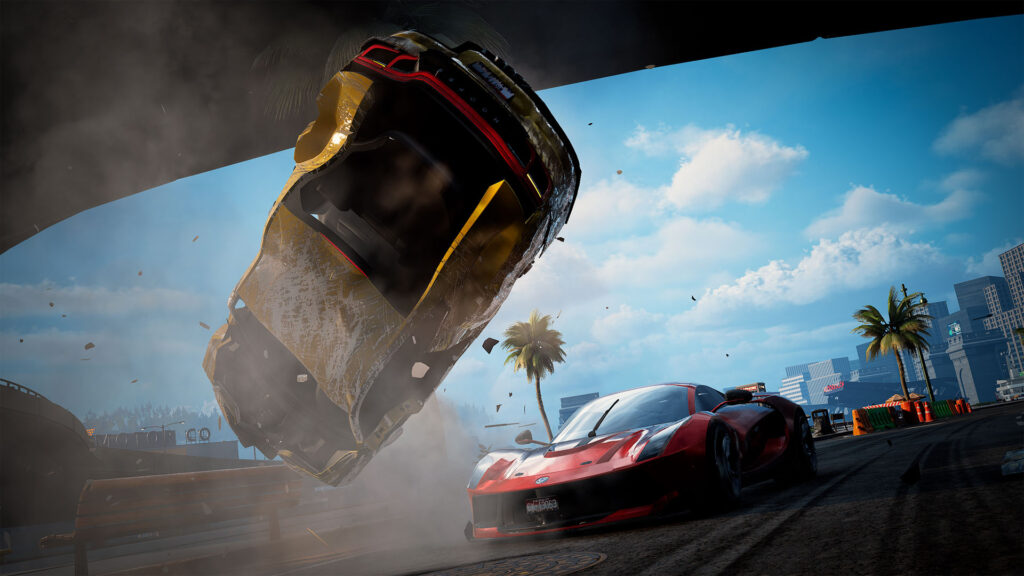
Star Wars: Galactic Racer isn’t the only title trying to revive combat-focused arcade racers, either. Over the last decade, Three Fields Entertainment sought to recapture Burnout’s destructive racing with games like Dangerous Driving and last year’s Wreckreation, but limited resources meant the results were mixed.
Like Fuse Games, the developer’s CEO, Fiona Sperry, also worked on the Burnout and Need for Speed series at Criterion, which she co-founded. “If you ask somebody what’s a great arcade racing game, they’ll still say Burnout – despite the last release launching in 2008,” she said during a recent media briefing.
Despite failing to break into the mainstream in recent years, Sperry believes there is still a strong appetite for high-octane arcade racers.
“For years, people have been telling me the audience for arcade racing has gone – that it disappeared. I don’t believe that,” she said.
“I think the audience is still there. The big guns of the industry have concentrated on fewer, bigger titles, meaning it perhaps hasn’t had the same focus it once had.
“Many players still return to the old titles because they feel modern arcades have moved away from the sort of intensity, pressure and memorable gameplay that they loved from those old games.”
After years of stagnation, the future looks brighter for arcade racing fans, with an influx of big-budget titles to savour.
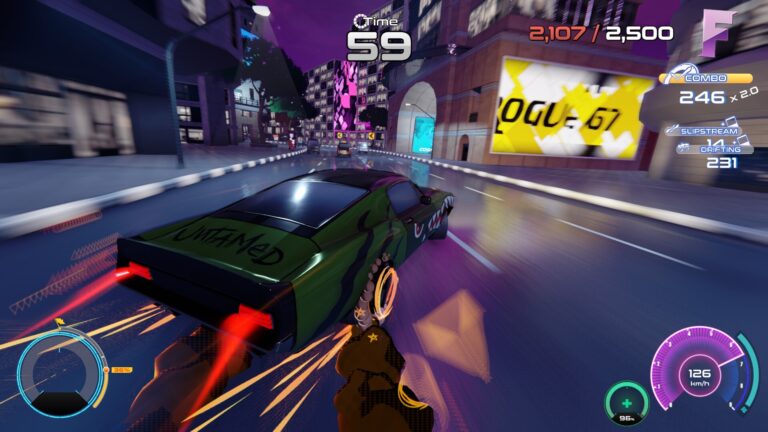
With the recent release of Hot Wheels Infinite Rush and the return of recognised IPs like Crazy Taxi and Stuntman on the horizon alongside Galactic Racer and Wreckreation 2, arcade racing is having a resurgence. At last, it feels like the genre is on the cusp of a mainstream comeback.




Discussion