
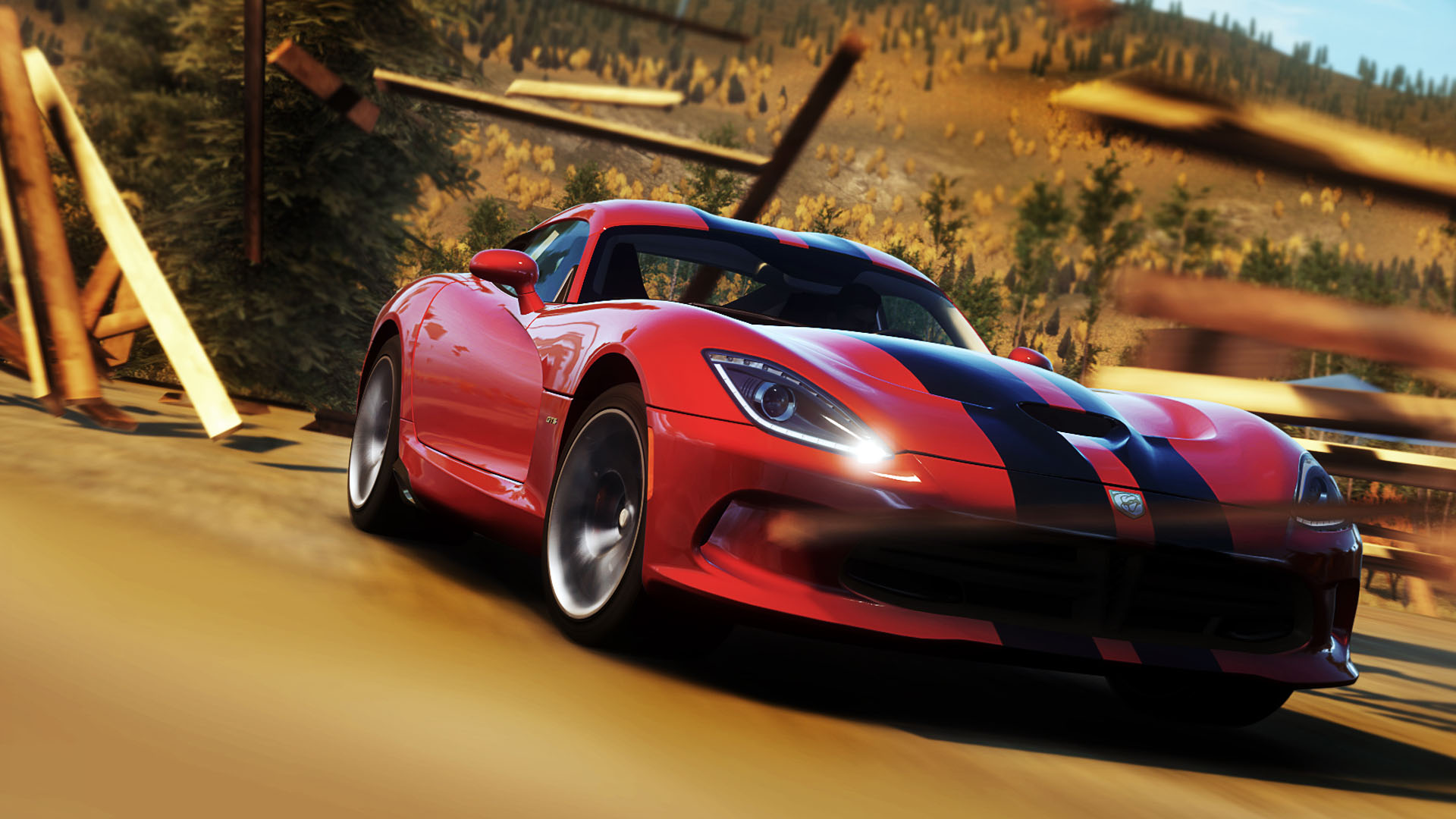
Forza Horizon is now a fixture of open-world racing after five acclaimed entries. But making a spin-off game was a risky gamble when Playground Games initially pitched the idea to Turn 10 Studios and Xbox.
With the fan-favourite Forza Motorsport 4 releasing one year before the first Horizon game, the core franchise was at its peak.
“The Xbox internal studios were asked to produce yearly franchises at the time. Motorsport came out every second year, so they were looking for another team,” Playground Games co-founder Gavin Raeburn explains to Traxion. “There was a lot of discussion about how to position the game.”
From the outset, Forza Horizon was envisioned as an open-world racer in contrast to Motorsport’s linear circuit racing. “It was going to be like Motorsport, but an open road version,” says Raeburn.
Forza Horizon’s original concept “wasn’t quite right for the broader audience”
“The more we played the game and built the world, we realised that wasn’t quite right for the broader audience they [Xbox] were aiming at. They didn’t want to give a similar game to the same audience. We wanted to attract a new audience and then pivot off each to expand both franchises.
“It’s easier to pitch something that people recognise with a twist. That’s what we learned with a lot of publishers back in the day, especially when it comes to driving, and that’s essentially what we delivered.”
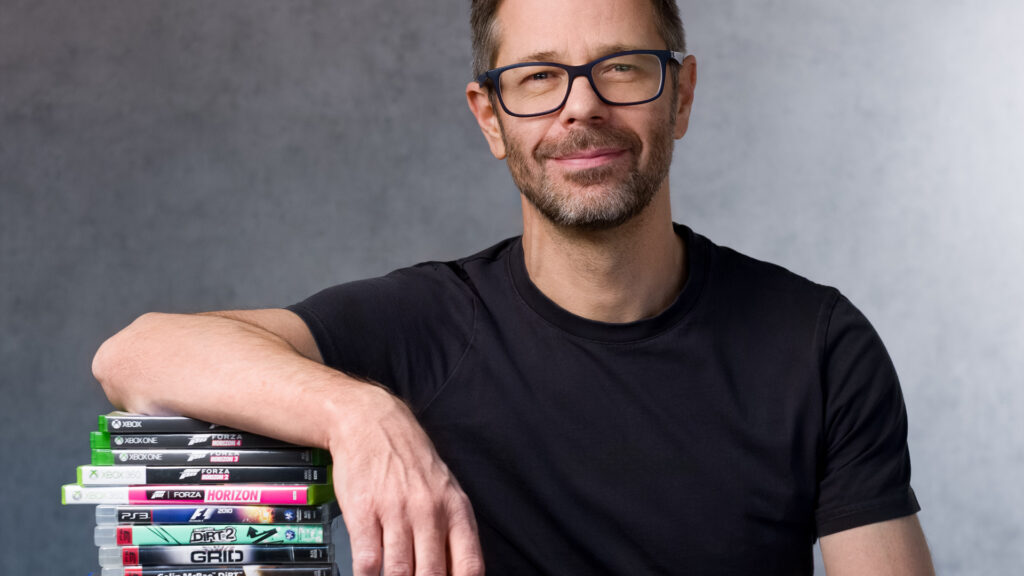
That twist came in the form of the Horizon Festival, a car-themed music festival that has remained integral to the franchise ever since.
“It had tones of Midnight Club and Test Drive Unlimited, but the festival twist really sold it to Turn 10 and Xbox,” says Raeburn.
“The original pitch landed well with Turn 10, but they said it’s too similar to other open-world games.
“I spoke to my creative designer and said, ‘Right, let’s just go into work on Saturday. We’re not leaving the office until we figure this out, and we’ve got the hook. The meeting lasted five minutes.”
Before he co-founded Playground Games, Raeburn’s racing game career started at Codemasters, where he worked for 25 years on franchises like DIRT and GRID. Drawing on his previous work, Colin McRae: DiRT 2 helped inspire Forza Horizon’s fundamental festival theme.
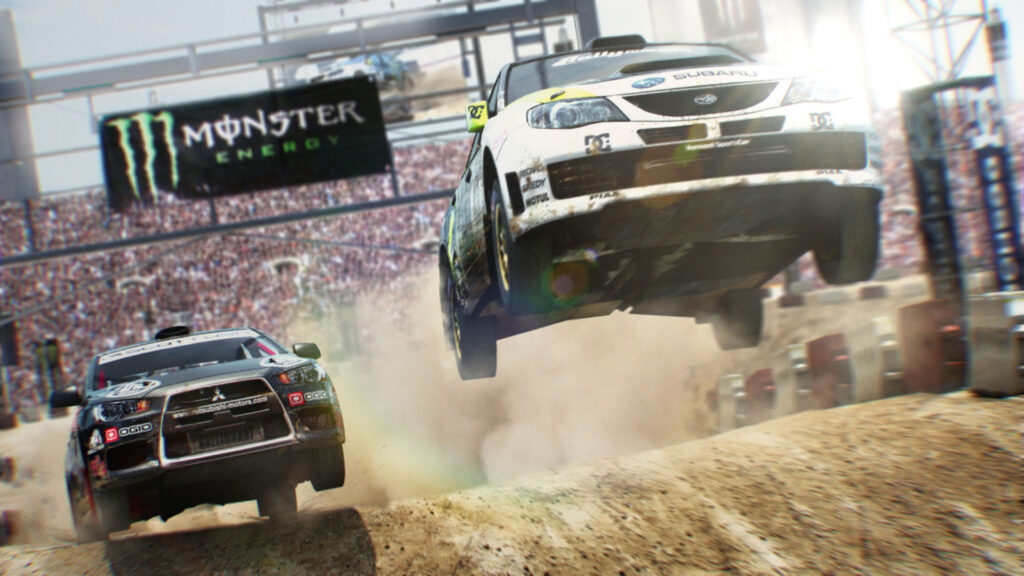
“I said, ‘why don’t we base it around a festival structure, like we did in DiRT 2.’ They said, ‘yes, a music festival.’ We built that into the pitch, presented it, and they said ‘yeah, that sounds great.’ It was what the game needed.
Set in Colorado, Forza Horizon’s central music festival gave the open-world racer a different vibe compared to its track-focused sibling. “Motorsport was a very serious affair. It had a reverence for cars,” says Raeburn.
“We were perhaps the irreverent, smaller sibling that had a bit more fun about us. It was a clear separation between the two franchises, which was important, and we doubled down on it.”
Forza Horizon “became about pushing cars to their limits in grander ways”
The open-world racing landscape was very different before Forza Horizon popularised the genre. Franchises like Midnight Club and Test Drive Unlimited were gaining traction, but they lacked one crucial element.
“What they didn’t do was gamify the actual driving element. You drove between one race and another, but there wasn’t necessarily a point to that,” explains Jon Davis-Hunt, who was a Game Designer for the first three Forza Horizon titles.
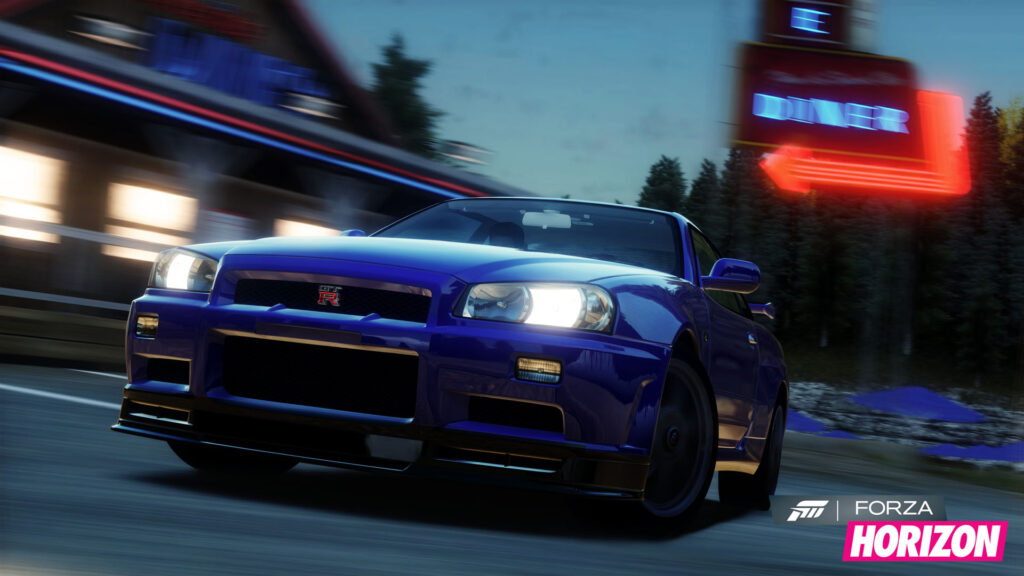
“With Horizon, we wanted to encourage players not to treat that as just travel, but as a fundamental part of gameplay. That’s what gave it the hook.”
To achieve this, Playground Games filled the open world with side activities between races, from spontaneous speed traps to secret car barn finds.
“Horizon’s character started as a reverence [for cars], but as we progressed through iteration after iteration, it became about pushing cars to their limits in grander ways,” continues Davis-Hunt.
This can be seen in the increasingly extreme Showcase races against unusual vehicles and more expansive environments that let you drive supercars off-road.
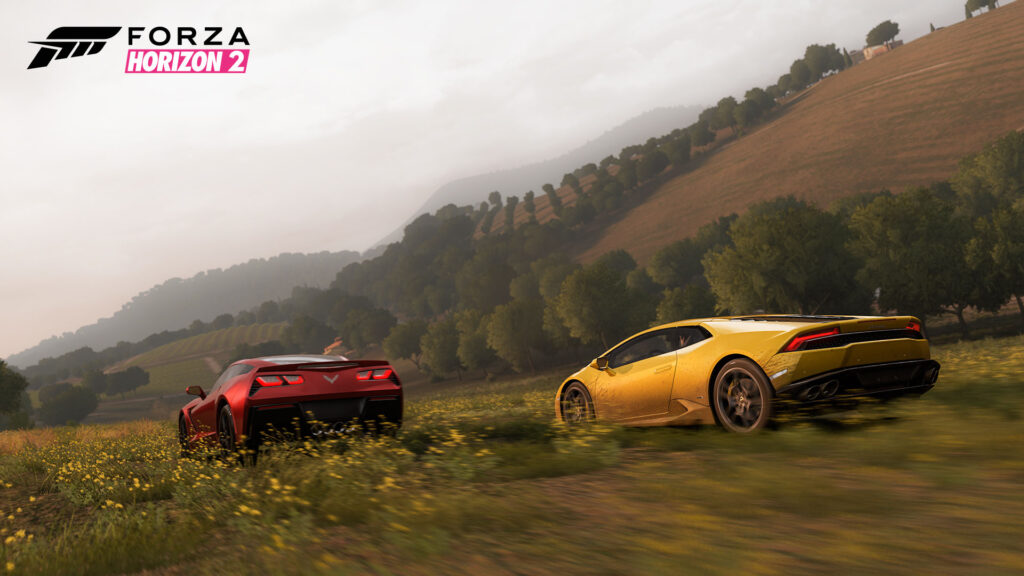
“Initially, there was a lot of hesitancy and pushback because [Forza] Motorsport was about treating these cars on a pedestal. Whereas Horizon was about thrashing them in the open world. We got better at being able to do that.”
“I’ve been lucky throughout my career to have almost complete creative control over everything we produce at the various studios and teams, and that was the same with Xbox,” adds Raeburn.
“But there were certain things that Turn 10 didn’t like. For example, if you put a green neon light too close to a car and it slightly changed the hue, they would not be happy. That reverence for cars carried over into Horizon, but softened over the years.”
Fine-tuning Forza Horizon’s handling was an “enormous challenge”
Playground Games’ efforts would all be for nothing if driving the hundreds of vehicles didn’t feel right.
“The diversity of cars we’ve developed over the years was an enormous challenge but very rewarding,” reflects Playground Games’ former Car Handling Designer Marco Conti, who joined during Forza Horizon 2’s development.
The team adapted Forza Motorsport’s simulation-based physics as a foundation, fine-tuning it for the open-world while ensuring every vehicle remained fun and intuitive to drive.
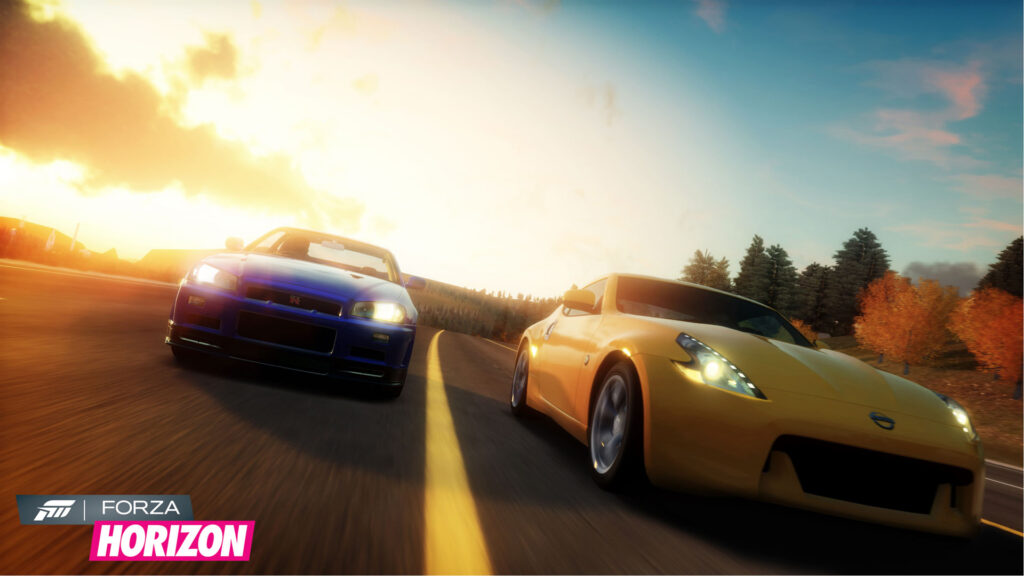
“You need to operate on a simulation engine, but it can get very messy if you do the wrong things,” continues Conti.
“It’s very important to understand how vehicle dynamics works. When you do that, you essentially curate your goal with numbers, balancing and the desired objective.
“It’s not like a simple ‘fun’ slider. It’s a combination of multiple iterations and research that allows you to create exactly what you had in mind.”
“We did our best to create the best physics we could at Codemasters,” adds Raeburn.
“We had a smart physics engineer, but he didn’t have a background in simulation physics [like Marco]. We liked the handling we had at Codemasters, but it took a step up when Marco joined.
“He brought a much deeper knowledge that added so much to that natural feel of cars, which was so important.”
Forza Horizon has “beaten every other driving game franchise out there”
While it started as an unproven spin-off, Forza Horizon has overtaken Forza Motorsport to become Xbox’s flagship racer.
“It’s beaten every other driving game franchise out there, which is incredible,” reflects Raeburn. “The ones we looked up to back in the day, like Need For Speed and Gran Turismo, don’t come close to it.
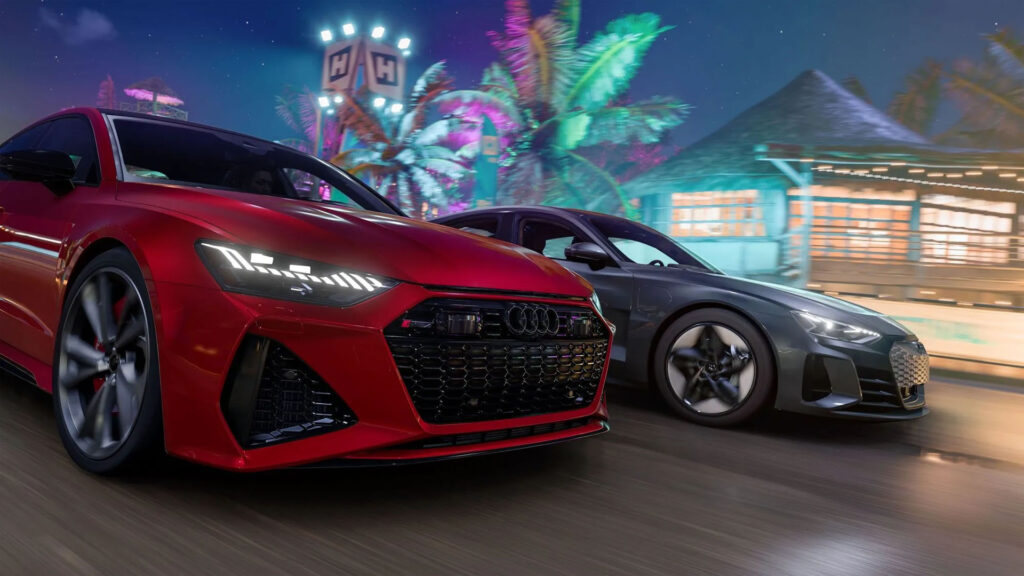
“I remember with Horizon 1, there were tones similar to Need for Speed. That was our main competitor at the time. I remember people saying, ‘You’ll never beat Need For Speed.’
“But by Horizon 3, we’d reached parity with it, and then Horizon 4 beat it. Horizon 5 obviously got to where we were. It’s been successful.
“There is a formula that works and hasn’t changed too much over the years. It probably shouldn’t, because there’s a real audience for that.
“You can’t just innovate because you’re bored as a developer. You’re appealing to an audience who loves your game, so you have to give them what they want.”
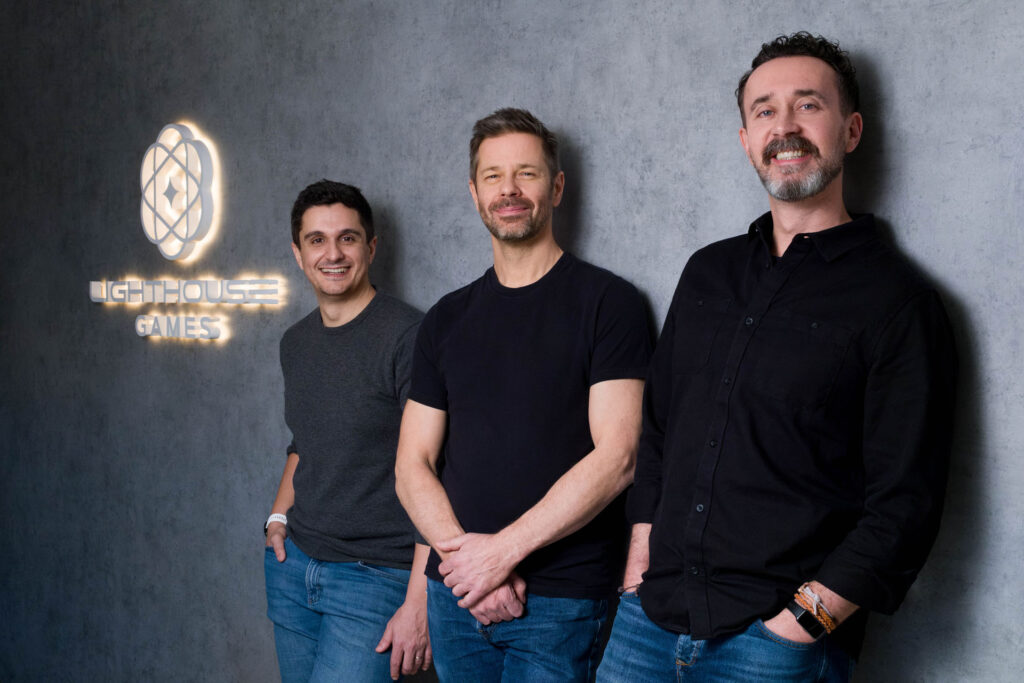
It remains to be seen if Forza Horizon 6 strays too far from the established formula that made the series a runaway success over the last 13 years when it arrives in 2026.
While Forza Horizon continues to dominate, Raeburn, Davis-Hunt and Conti are looking to challenge its winning formula. Since forming their new studio, Lighthouse Games, the formidable team is working on an unannounced AAA driving game, which Raeburn teases is “in a league of its own.”


Chat with the Community
Sign Up To CommentIt's completely Free
And the single reason why DiRT 2 felt more like a real event was Christian Stevenson’s gags on the frontend speaker lol
… [Trackback]
[…] There you will find 49378 more Infos: traxion.gg/how-dirt-2-inspired-forza-horizons-secret-ingredient/ […]